2026 How to Choose the Best Refillable Water Brush Pen
Choosing the best Refillable Water Brush Pen in 2026 depends on more than its price or appearance. The right pen should feel balanced in your hand, release water predictably, and suit the paper and techniques you use. A compact barrel may be convenient for sketching outdoors, while a larger reservoir can mean fewer interruptions during a long wash. Small details matter. A secure cap, a clear fill level, and a tip that returns to shape can make everyday use noticeably easier.
This guide looks at practical features to compare, including reservoir capacity, brush-tip shape, water control, refill design, and ease of cleaning. It also considers how different pens perform for watercolor washes, lettering, travel sketching, and fine details. When comparing options, check whether the brush holds water without dripping and whether its parts are easy to rinse after pigment builds up. A product description can help, but it cannot show exactly how a pen feels in your grip. That part is personal. Even a well-reviewed pen may feel too soft or too stiff for your preferred strokes, so expectations deserve a second look. The goal is not to find one perfect tool for everyone. It is to identify a dependable brush pen that fits your habits, budget, and working style, with fewer surprises once the cap comes off.
What Is a Refillable Water Brush Pen?
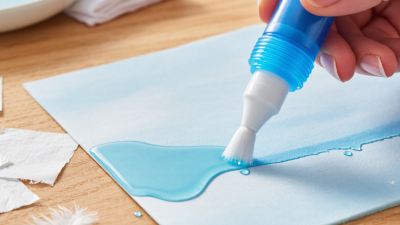
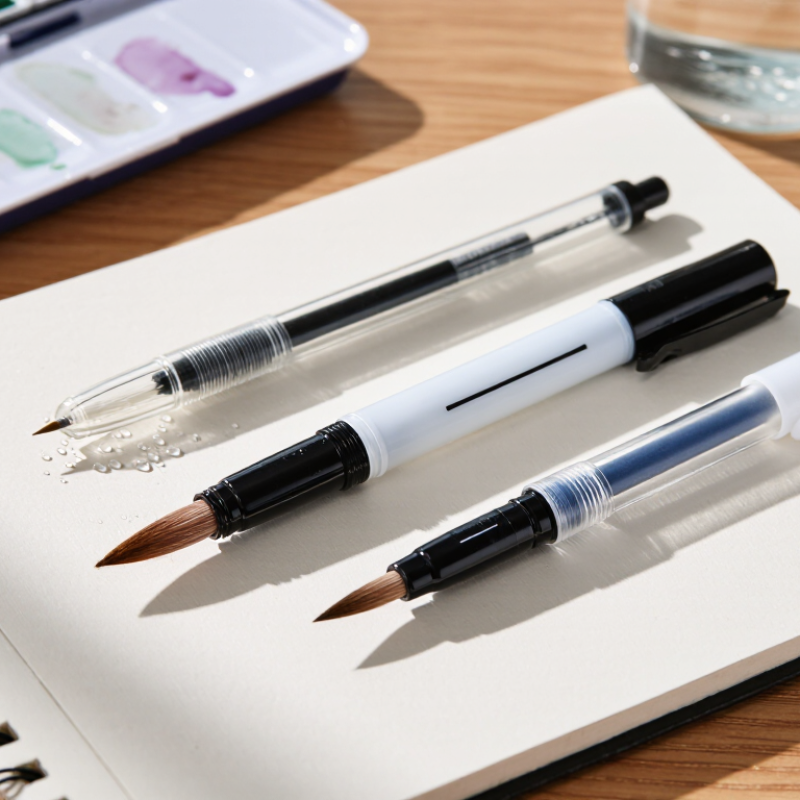
A refillable water brush pen is a paintbrush with a small water reservoir built into its handle. You fill the barrel, screw it closed, then gently squeeze to feed water toward the bristles. A valve or channel helps regulate the flow, though the feel varies by design. The brush can carry water to a palette or paper without a separate cup. It does not hold watercolor paint; you load pigment onto the damp bristles. Picture a slim handle, a few drops moving through it, and a soft brush tip ready for a wash.
The US Environmental Protection Agency reported that Americans generated 292.4 million tons of municipal solid waste in 2018. That broad figure does not measure brush-pen waste, but it gives useful context for choosing reusable tools. A refillable pen can reduce reliance on disposable water containers during sketching; it cannot eliminate waste by itself. Reservoirs may leak, and overly tight squeezing can leave a puddle instead of a controlled line. I still find the flow takes practice.
Tips: Test the pen over scrap paper. Use a light squeeze, refill with clean water, and rinse the bristles after painting. Store it with the cap secured, but avoid leaving water inside for long periods. EPA’s 2018 Facts and Figures report is the source for the waste statistic above.
2026 How to Choose the Best Refillable Water Brush Pen - What Is a Refillable Water Brush Pen?
A refillable water brush pen is a painting tool with a water reservoir built into its handle and a brush tip at the other end. Squeezing the reservoir sends water toward the tip, making it useful for watercolor painting, blending, and portable sketching without a separate water container.
| Selection Dimension |
What to Check |
A Suitable Choice |
Trade-Off or Practical Note |
| Brush-tip shape |
The tip may be pointed, rounded, or flat, depending on the design. |
Choose a pointed tip for varied strokes and a flat tip for broader, more even marks. |
A single tip shape may not suit every painting task. |
| Tip size |
Tip size affects the width of strokes and the amount of detail you can control. |
Use a finer tip for small details and a broader tip for washes or larger areas. |
Size labels are not always standardized, so compare the actual tip when possible. |
| Reservoir capacity |
The handle stores water; capacity varies by pen design and size. |
Choose a larger reservoir for longer sessions and a compact one for light travel. |
A larger handle may take up more space in a pencil case. |
| Water-flow control |
Many designs release water when the flexible reservoir is gently squeezed. |
Look for a reservoir that is easy to squeeze in small, controlled amounts. |
Excess pressure can send more water to the tip than intended. |
| Filling and cleaning |
Check how the reservoir opens and whether it can be rinsed easily. |
Choose a design that is straightforward to fill, empty, and clean. |
Rinse the reservoir and tip after use, especially if paint or colored water has entered the brush. |
| Tip construction |
Brush tips may use synthetic fibers or other brush materials, depending on the product. |
Choose a tip that holds its shape and suits your preferred stroke control. |
Avoid pressing hard on the tip, which can deform brush fibers over time. |
| Cap and portability |
A cap helps protect the brush tip when the pen is stored or carried. |
For travel, choose a secure-fitting cap and a body that fits your art kit. |
Make sure the tip is clean and the reservoir is not overfilled before packing. |
| Intended use |
Water brush pens are commonly used for watercolor, water-soluble media, and on-the-go sketching. |
Match the tip and reservoir size to your usual subjects and painting format. |
They provide convenience but may feel different from a traditional brush and separate water container. |
Which Brush Tip Shapes and Sizes Suit Your Work?
2026 How to Choose the Best Refillable Water Brush Pen
Which Brush Tip Shapes and Sizes Suit Your Work?
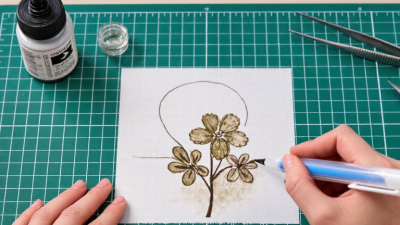
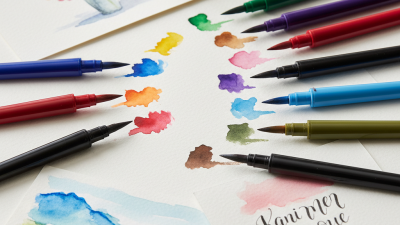
A fine, pointed tip suits delicate lines, small lettering, and tiny details such as leaf veins. A medium round tip handles varied marks, from narrow outlines to broader strokes, with gentle pressure changes. For washes and blocky shapes, a flat or angled tip can cover more paper quickly. Shape matters as much as size.
Brush-tip sizes are not standardized, so labels alone may not predict the mark. Test a pen on the paper you plan to use. A damp tip often makes a softer, wider stroke than a nearly dry one, while heavier pressure can spread the bristles. I sometimes choose a larger tip for quick studies, then find it clumsy around fine edges. That mismatch is useful feedback.
Tips: Match the tip to your smallest details and largest fills. Test before committing. Small details matter. Try a few strokes with light and firm pressure, then check whether the point springs back into shape. If it frays or feels hard to control, a smaller or rounder tip may suit your hand better.
How Do Water Capacity and Flow Control Affect Use?
Water capacity determines how long a refillable water brush pen can work before you pause to refill it. A larger reservoir suits broad washes or long sketching sessions, while a slim barrel feels lighter for quick studies. But more water is not always better. A full barrel can feel unbalanced, especially when painting fine lines. For small travel sketches, a modest capacity may be easier to control. Check whether the reservoir can be opened and rinsed easily; dried pigment can affect the next session.
Flow control shapes the marks you make. Gentle pressure should release enough water to soften a stroke, not flood the paper. Test the pen on scrap paper with a light squeeze, then add pressure gradually. Watch how quickly the brush tip becomes wet and whether water gathers at its point. Too much flow can buckle thin paper or dilute a carefully mixed color. Too little may leave scratchy, broken strokes. The balance depends on paper texture, pigment, and your touch. I still find that a pen behaving well on one sheet can feel awkward on another. That is worth testing. Look for steady flow, a responsive barrel, and a tip that returns to its shape after use.
What Materials and Features Should You Compare?
When comparing refillable water brush pens, inspect the barrel, seams, cap, and brush fibers—not just the shape. A clear barrel makes water level easy to check, while a sturdy, flexible body is easier to squeeze in small doses. Look for a secure cap and a tip that holds its shape after gentle rinsing. Nylon or other synthetic fibers are common; check whether the maker specifies fiber type and replacement options. Vague material labels make comparison harder.
Test the water flow on scrap paper. A useful pen releases drops with light pressure, not a sudden puddle. Try thin lines, broad strokes, and a pause with the cap on. Does the tip stay damp without leaking? Small details matter. A brush that is too soft may spread paint; a firm one may feel scratchy. There is no perfect tip for every hand or medium.
Refillability can reduce single-use parts, but it does not automatically make a pen more sustainable. The OECD’s 2022 Global Plastics Outlook reports that only 9% of plastic waste was recycled worldwide in 2019. That figure covers plastics broadly, not water brush pens, so it cannot prove a specific product’s impact. Compare refill access, durability, and replaceable tips, and treat sustainability claims cautiously. A slightly awkward detail: a refill opening that is hard to clean may shorten the pen’s useful life.
How Can You Match a Water Brush Pen to Your Needs?
Matching a refillable water brush pen starts with how you plan to use it.
For small sketches and fine lettering, choose a pointed, narrow tip that holds its shape. Broad washes need a larger, fuller brush. A flexible tip can make expressive marks, but it may feel less predictable when you are learning. Handle a sample, if possible, and check whether the barrel feels comfortable after several minutes. Small details matter. Look for a cap that fits securely and a reservoir that is easy to open and rinse. A very large reservoir may seem convenient, yet it can make pressure and water flow harder to control.
Your paper and paint also affect the match.
Watercolor pencils often need only a little water, so a fine tip and gentle flow can prevent colors from spreading too far. For broad watercolor washes, use a larger tip and sturdy paper; lightweight sheets may buckle when wet. Test it on scrap paper. Squeeze the barrel lightly, then watch how quickly water reaches the tip. If paint pools or drips, reduce pressure and clean the brush before refilling. I would not expect one pen to suit every task. Reservoir size is easy to misjudge, and personal grip matters more than product descriptions suggest. A short trial with your usual paper can reveal more than a long feature list.