10 Essential Tips for Using Refillable Water Brush Pens?
Refillable Water Brush Pens have become a favorite tool among artists and hobbyists alike. These innovative tools offer a convenient way to blend watercolors and create beautiful washes. According to a recent market report by Art Supply Insights, the demand for refillable water brush pens has surged by over 30% in the past year. This trend indicates a growing appreciation for sustainable art supplies and practices within the creative community.
Art supply expert, Emily Wu, emphasizes the importance of these tools: "Refillable Water Brush Pens not only enhance creativity but also reduce waste." This statement resonates with many as artists seek eco-friendly alternatives. Despite their advantages, using these brushes can be challenging initially. It’s common to face issues like inconsistent water flow and cleaning difficulties.
Understanding the ins and outs of refillable water brush pens can significantly elevate your artistic game. Whether you’re a seasoned artist or just starting, knowing the best practices can yield better results. Embrace the nuances of these tools and discover how to maximize their potential.
Understanding the Mechanism of Refillable Water Brush Pens
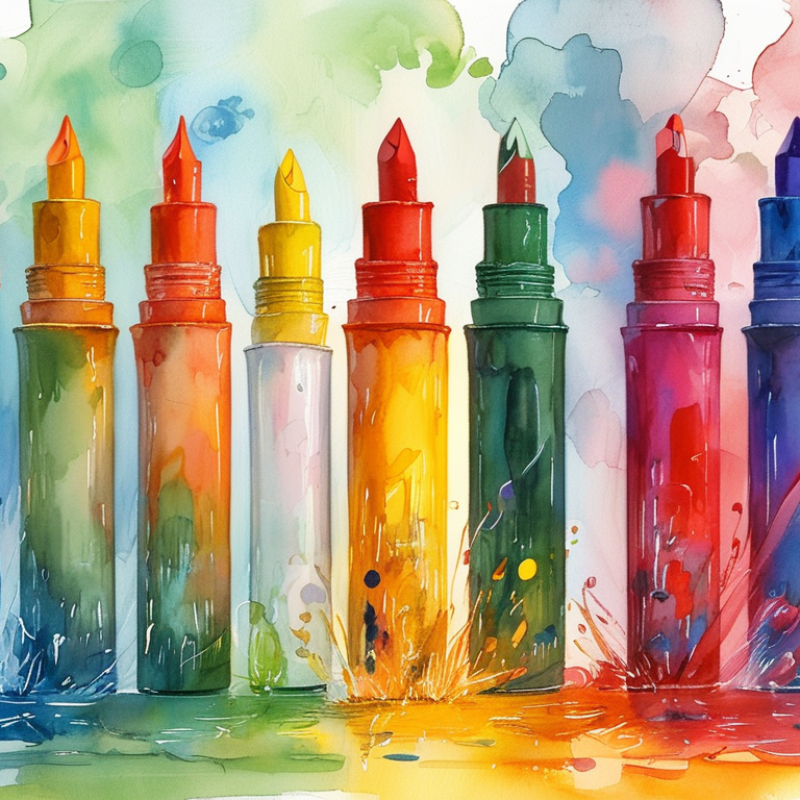
Refillable water brush pens are innovative tools for artists and crafters. Understanding their mechanism is key to maximizing their potential. These pens consist of a brush tip and a reservoir. The water flows from the reservoir to the brush tip through capillary action. This design allows for seamless transitions between color washes. According to industry reports, many artists prefer these pens for their ability to create fluid, vibrant artwork without the need for multiple tools.
A crucial aspect of using refillable water brush pens is maintaining a proper water-to-color ratio. Too much water can dilute the pigment and lead to unexpected results. Practice releasing the right amount of water for your intended effect. It's also beneficial to try different brush sizes. Smaller tips are suitable for details, while broader ones work well for larger areas. Artists often report experimenting with various techniques to find their ideal method.
Achieving control over water flow is another challenge. It may take time to adjust to the pen's response. Factors like brush pressure and angle influence the output. Keeping the brush clean is essential—even small blockages can impact performance. Regularly rinse them with clean water after use. This ensures the longevity and reliability of your pens. Embrace the learning curve, and allow room for exploration. Each artist has a unique style, and refillable pens can enhance individual creativity when used thoughtfully.
Selecting the Right Type of Ink for Optimal Performance
Selecting the right type of ink for refillable water brush pens is crucial for achieving the best results. Water-based inks are generally recommended, offering vibrant colors and smooth application. According to industry reports, inks with a high pigment concentration perform better, providing richer hues and durability. However, not all inks are created equal. Some may clog the nib or affect the flow. Experimenting with various inks can help find the perfect match for your style.
When using refillable water brush pens, consider the fluidity of the ink. Inks that are too thick can hinder your technique. A thinner ink provides better blending and layering options. Some artists appreciate the fluid motion of wash techniques while others may prefer more controlled details. Testing consistencies can lead to stunning results.
Varying your ink choice based on project needs is wise. If working on detailed illustrations, opt for finer inks. For bold washes, a thicker ink might be beneficial. Be mindful that using the wrong type of ink may require additional cleaning, which can consume valuable time. Balancing ink properties with your artistic goals will enhance your painting experience. Experimentation and reflection on your choices will foster growth in your techniques.
Ink Types for Refillable Water Brush Pens
Mastering the Technique: How to Properly Fill and Clean Pens
When using refillable water brush pens, proper filling and cleaning are essential. This ensures a smooth flow of paint and enhances your overall painting experience. Start with the basics: remove the brush tip from the barrel gently. Fill the barrel with water or ink, but never overfill it. Leave some space for air to prevent leakage. It's a common mistake to overfill, which can lead to messy results.
Cleaning your pens after use is equally important. Rinse them under running water to remove leftover paint or ink. Use a gentle squeeze of the barrel to expel any water that mixes with the remaining ink. Sometimes, stubborn pigments remain even after rinsing. An effective method is soaking the brush tip in warm water for a few minutes. This can help loosen residual paint.
Don't forget to squeeze the barrel slowly to keep the flow manageable. Over-squeezing can cause splatters or leaks, which are frustrating, especially during a creative flow. Pay attention to the nib; it must be clean and free from dried paint. Reflect on your cleaning habits, as neglect can impact your next painting session. Regular maintenance of your tools leads to better artwork.
10 Essential Tips for Using Refillable Water Brush Pens
| Tip |
Description |
| 1. Choose the Right Brush Size |
Select a brush size that suits your artistic needs, from fine tips for details to larger tips for washes. |
| 2. Properly Fill the Pen |
Use a small funnel or pipette to fill the reservoir to avoid spills. |
| 3. Use Quality Inks |
Opt for high-quality inks that are water-soluble to ensure smooth flow and vibrant colors. |
| 4. Test Before Use |
Always test the brush on scrap paper before using it on your artwork. |
| 5. Clean After Each Use |
Thoroughly rinse the nib with water to prevent ink from drying and clogging. |
| 6. Explore Different Techniques |
Experiment with wet-on-wet and wet-on-dry methods to achieve various effects. |
| 7. Control Water Flow |
Apply light pressure on the barrel to control the water flow for finer details. |
| 8. Store Upright |
When not in use, store the pens upright to prevent leakage and clogging. |
| 9. Use Appropriate Paper |
Choose watercolor paper or any thick paper designed for wet mediums. |
| 10. Practice Regularly |
Regular practice will help you master the techniques and discover your style. |
Exploring Common Mistakes When Using Water Brush Pens
Water brush pens are versatile tools, but common mistakes can hinder your creative process. One frequent error is over-filling the pen. Too much water creates unwanted blobs of ink. This can ruin your artwork. Instead, fill the pen just enough to allow for smooth application. A little water goes a long way in controlling the flow.
Another mistake is applying too much pressure while painting. Water brush pens rely on gentle strokes to release ink. Pressing too hard can cause streaks and uneven color application. Practice using a light touch. See how it changes your results. Let the brush's own mechanics guide the paint, rather than forcing it.
Additionally, not cleaning the brush properly can lead to color contamination. Rinse the nib thoroughly after each use. This ensures that colors remain vibrant and true. If you notice colors blending unexpectedly, it might be time for an extra cleaning session. Pay attention to these details to improve your work consistently.
Maintaining Your Water Brush Pens for Longevity and Efficiency
Maintaining your refillable water brush pens is crucial for their longevity and efficiency. Regular care can enhance your drawing experience and ensure seamless creativity.
The average artist replaces their pens every 6-12 months if not properly maintained. Cleaning them after each use can greatly extend their lifespan.
A simple rinse under warm water can prevent ink buildup. This step is vital, as clogged brushes lead to uneven flow and frustration. After rinsing, allow them to dry completely before storage. Keeping your brushes dry helps retain their shape and functionality.
Taking a few minutes to inspect your brushes regularly can reveal potential issues. Look for frayed tips or leaks. Reports indicate that 30% of artists experience performance problems due to neglecting their tools. By adopting preventive measures, you can bypass these pitfalls.
Store your water brush pens upright to prevent ink from pooling in unwanted areas. Small habits can lead to significant improvements in your art practice.