Leave Your Message
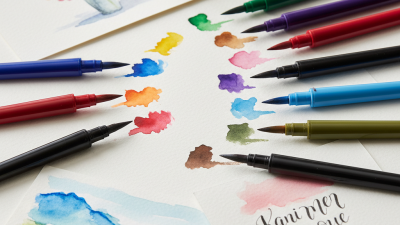
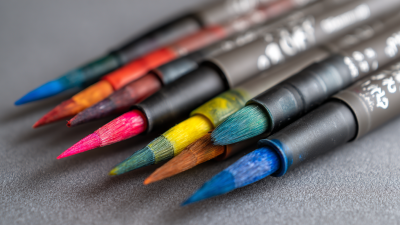
The best Watercolor Marker Pens in 2026 should do more than produce bright color straight from the barrel. They should also respond predictably when a damp brush touches the paper. A blue stroke might soften into a pale wash; a darker edge may stay crisp. Those small differences matter when you are lettering, sketching outdoors, or adding color to a travel journal. Not every pen blends alike. Some leave streaks, and some colors shift more than expected.
Watercolor artist and educator Jane Blundell is known for her practical attention to pigment behavior and materials. A useful summary of that advice is: “Test the pigment, paper, and water together—not the pen alone.” Treat this as a testing principle, not a direct product endorsement. This guide compares marker tips, color range, water activation, lightfastness information, and how comfortably each set handles everyday work. It also considers paper, because a smooth sheet and a textured sheet can make the same pen behave differently. Look for close-up swatches and clear product details, not just a dramatic package photo. Small tests help.
There is no perfect set for every hand or project. A beginner may value easy blending and a manageable palette; an illustrator may need finer control and reliable color layering. We will point out trade-offs, including places where product claims deserve a closer look. A little uncertainty is useful here. A pen that feels excellent on one paper may disappoint on another.

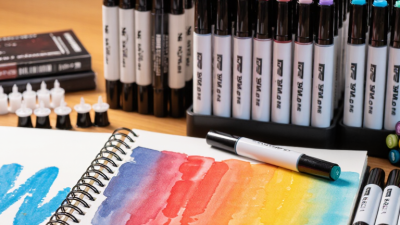
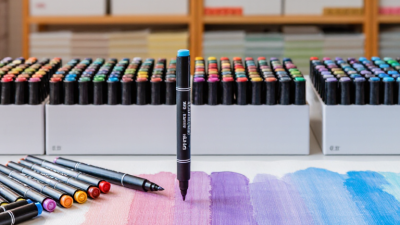
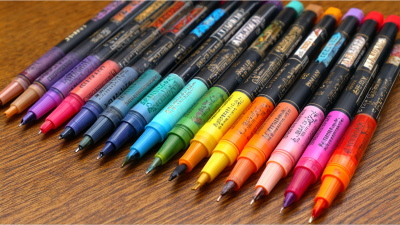
Watercolor marker pens combine a controlled ink reservoir with a water-soluble colorant. A fiber or brush tip lays down a neat line; a damp brush then loosens the color and carries it across the paper. The result can shift from crisp lettering to soft washes. It is not quite the same as painting with a pan: marks begin where the nib touches, so edges can stay sharper and color placement feels more deliberate.
The medium’s behavior depends on its formulation. Dye-based colors often spread vividly, while some pigment-based colors may appear less transparent; labels and product tests matter. Paper matters, too. On thin sheets, water can buckle the surface or make colors bleed through. Grand View Research estimated the global art supplies market at about US$43.5 billion in 2023, but that broad figure includes many tools and does not measure watercolor markers alone. Market size is context, not proof of quality. A marker may feel effortless on one paper and stubborn on another. That trade-off is easy to miss. Try one line, then lift color with a wet brush before committing to a full page.
| Marker Type or Feature | How It Works | Best Suited For | Watercolor Behavior | What to Check Before Choosing |
|---|---|---|---|---|
| Brush-tip watercolor marker | A flexible fiber or elastomer tip changes stroke width with pressure and angle. | Variable-width lines, lettering, loose sketches, and filling small or medium areas. | Water can soften or spread water-soluble ink, creating washes and blended edges. | Tip flexibility, recovery after pressure, and whether the tip can make both fine and broad strokes. |
| Fine-tip watercolor marker | A narrow porous tip delivers ink in a controlled line. | Details, outlines, small illustrations, and precise color placement. | Fine marks can be softened with a damp brush, though the result depends on the ink and paper. | Line consistency, tip durability, and how well the ink stays controlled on the intended paper. |
| Chisel-tip watercolor marker | A flat-edged tip produces different line widths when used on its edge or broad face. | Block lettering, straight-edged strokes, and covering larger areas efficiently. | Broad strokes can be blended into washes; heavy application may take longer to dry. | Whether the edge remains crisp and whether the broad face lays down an even color. |
| Dye-based water-soluble ink | Water-soluble dyes provide color in a liquid marker formulation. | Bright, transparent color and layered illustration work. | Often reactivates readily with water, making blending and lifting easier; behavior varies by formula. | Lightfastness information, reactivation after drying, and color changes when diluted. |
| Pigment-based water-soluble ink | Finely dispersed color particles are carried in a water-based formulation. | Artists who want to compare more light-resistant options or a less dye-like color effect. | May behave differently from dye ink when diluted or reactivated; “pigment-based” does not guarantee permanence. | Published lightfastness ratings, water resistance after drying, and suitability for the intended paper. |
| Water-brush compatibility | A damp brush moves or dilutes fresh marker color on the page. | Soft gradients, painterly washes, and blending colors directly on paper. | More water generally creates a paler wash and can spread color farther. | Test a small swatch first; excess water can buckle lightweight paper or cause colors to run. |
| Layering and dry time | Additional strokes are applied after earlier color has dried or partly dried. | Building darker values, adding detail, and combining marker work with watercolor techniques. | Wet layers may blend together; dry layers can still reactivate if the ink remains water-soluble. | Test drying time and reactivation on the chosen paper before making layered artwork. |
| Paper compatibility | Paper weight, sizing, and surface affect absorption, spread, and drying. | All watercolor-marker techniques, especially wet blending and broad washes. | Watercolor paper usually handles added water better than ordinary printer paper; smoother surfaces may preserve line detail. | Use paper labeled for watercolor when applying water, and test color spread and buckling on a sample. |
| Best all-around choice | A versatile water-soluble marker with a durable tip and predictable color release. | Mixed use, from line work to light washes. | Offers a practical balance of direct drawing and water-activated effects. | Choose by tip style, color range, documented lightfastness, refill or replacement options, and paper compatibility—not by “watercolor” labeling alone. |