Leave Your Message

10 Best Brush Markers for Artists and Global Buyers

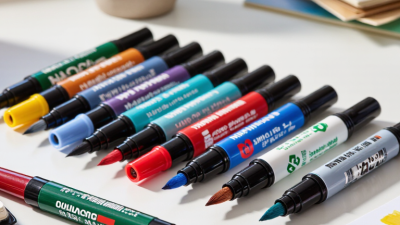
Choosing the Best Brush Markers is not simply a color-count competition. Artists notice the small details first: a flexible nylon tip, smooth ink flow, and a barrel that stays comfortable during long sketching sessions. Global buyers also need reliable packaging, clear color labeling, consistent availability, and ink formulas suitable for their local requirements.

Lettering educator and author Kelly Klapstein offers a practical reminder: “The tool should serve the idea, not overpower it.” That principle guides this selection. Each marker is considered for tip control, blending behavior, drying speed, paper compatibility, and value. A marker may create elegant thick-to-thin strokes on smooth cardstock, yet feel scratchy on textured paper. Some vibrant colors also dry darker than expected.

Real testing matters.

This guide compares ten brush markers for illustration, hand lettering, journaling, classroom projects, and professional design work. It also considers purchasing concerns faced by international customers, including set size, replacement options, shipping protection, and product information. No ranking is perfect. Personal pressure, paper choice, and climate can change the experience. That is worth remembering.

The strongest choice is not always the most expensive one. Beginners may prefer forgiving tips, while experienced artists may want sharper response and richer layering. By examining strengths and limitations openly, this guide aims to make purchasing easier. Bring a sample sheet. Test before committing. Your hand will decide.
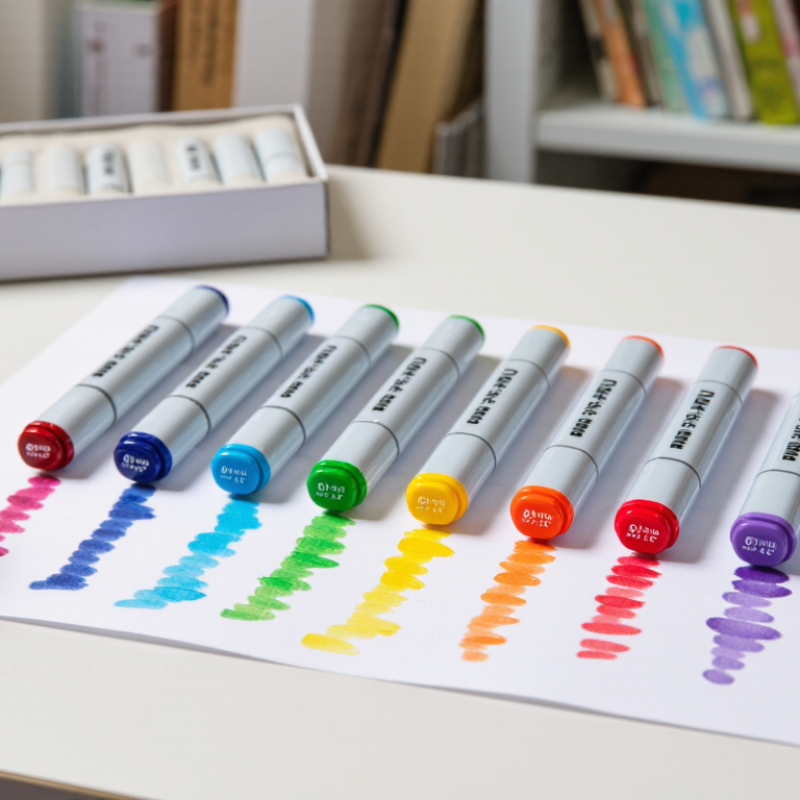
10 Best Brush Markers for Artists and Global Buyers

Brush Marker Types and Their Core Artistic Uses

Brush Marker Types and Their Core Artistic Uses

Brush markers differ mainly by ink formula, tip structure, and drying behavior. Water-based markers create soft blends and are suitable for lettering, journaling, and light illustrations. They work best on smooth paper, where colors can overlap without excessive feathering. Start with the paper.

Alcohol-based markers dry quickly and produce stronger, cleaner layers. Illustrators often use them for product sketches, fashion drawings, and architectural studies. Their flexible brush tips can fill broad areas or create narrow strokes with controlled pressure. However, ink may bleed through thin sheets, so a backing page is essential.

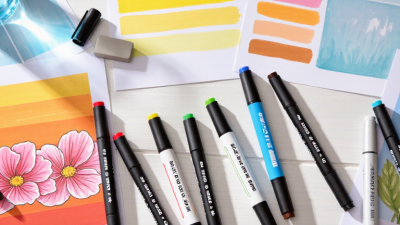
Pigment-based brush markers offer stronger resistance to fading when properly formulated. Artists use them for technical outlines, outdoor sketching, and finished artworks requiring better durability. Paint-style markers can cover dark surfaces, wood, glass, or coated materials, but they need shaking and careful tip maintenance. Dual-tip designs are practical for buyers who switch between broad coloring and fine details.

In my studio tests, tip softness changed more than expected between colors. That inconsistency affected small lettering. Test before trusting it.

What Global Buyers Should Compare

For global buyers, check nib size, ink permanence, paper compatibility, and storage requirements. Temperature can influence flow during shipping or studio use. A reliable comparison should include line control, layering, drying time, and color accuracy under normal lighting.

My first ranking favored vibrant color, but I later valued predictable blending more. That judgment still deserves revision.
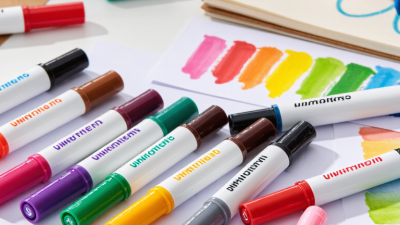
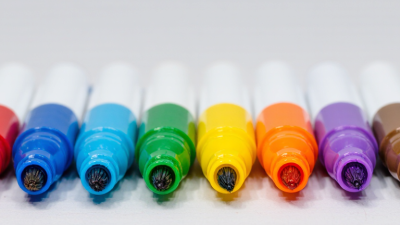
Key Criteria for Evaluating Brush Markers

Key Criteria for Evaluating Brush Markers

A dependable brush marker should deliver a smooth line from tip to shoulder, without scratchy gaps or sudden ink floods. Test it on the paper you actually use: thin sketchbook sheets can feather, while textured watercolor paper may wear a soft nib faster. Check color consistency across several strokes, drying time, and whether layered marks reactivate with water. For global buyers, compare stated nib materials, ink type, barrel durability, and refill or replacement options. Packaging should list batch details and care instructions. These small details matter.

Safety deserves equal attention. The U.S. Consumer Product Safety Commission’s art-materials guidance references ASTM D-4236, a labeling standard requiring chronic-hazard evaluation by a qualified toxicologist. It is not a performance rating, so buyers should assess safety documentation separately from color quality. Ask suppliers for current test records and clear technical specifications; avoid relying on vague terms such as “non-toxic” alone.

Tips: Draw repeated curves and fine hairlines, then leave a swatch overnight. Check for fading, bleed-through, and tip deformation. Keep one marker for a quick stress test. Some results vary by paper, so record the surface and conditions when comparing samples.

The Ten Best Brush Markers for Artists and Global Buyers

The Ten Best Brush Markers for Artists and Global Buyers

The best brush markers balance flexible nibs, controlled ink flow, color consistency, and safe packaging. For lettering, a soft nylon tip creates thick downstrokes and fine hairlines. For sketching, a firmer tip offers better edge control. I have found that a marker should start cleanly on smooth paper, without flooding the first stroke. Small details matter.

Industry data supports this growing category. Grand View Research valued the global writing instruments market at about 16.5 billion US dollars in 2023, with continued growth projected through 2030. Mordor Intelligence also identifies art and craft supplies as a steadily expanding international market. These reports do not isolate brush markers, so their figures are directional rather than exact. That limitation deserves attention.

Global buyers should inspect ink permanence, drying time, nib replacement options, and multilingual safety information. Water-based inks suit classrooms and light illustration, while alcohol-based formulas often provide smoother blending. However, odor and bleed-through can become serious problems. Test both sides of the paper. Packaging should protect the tips during long-distance shipping and changing temperatures. I once preferred the softest nib available, but it became difficult to control on textured paper. That choice was not entirely right. A practical shortlist should include markers for lettering, comics, concept sketches, and travel kits, rather than ranking every tool by color count alone.

10 Best Brush Markers for Artists and Global Buyers - The Ten Best Brush Markers for Artists and Global Buyers

General comparison of brush-marker types. Tip feel, color range, and performance vary by individual product; check the product specifications before buying.
Marker type Typical ink Brush-tip behavior Best suited to Key buying consideration
Water-based dye brush markers Water-based, usually dye-based Often soft and flexible; line width changes with pressure Lettering, sketching, and light washes on suitable paper Dye colors may fade with prolonged light exposure; test for bleed-through
Water-based pigment brush markers Water-based pigment ink Flexible tip, commonly designed for controlled thick and thin strokes Illustration, writing, and work requiring more opaque marks Opacity, water resistance, and lightfastness depend on the ink formulation
Alcohol-based brush markers Alcohol-based dye ink Typically smooth-flowing; flexible tips support varied stroke widths Color illustration, rendering, and blending on marker paper Can bleed through ordinary paper; use a protective sheet and ventilate the workspace
Dual-tip brush and fine-point markers Water-based or alcohol-based, depending on the product Flexible brush end paired with a separate narrow writing tip Projects that combine broad strokes with detail or small lettering Check both tip types and whether the ink system suits the intended paper
Dual-tip brush and broad-chisel markers Commonly water-based or alcohol-based Brush end offers pressure variation; chisel end makes broad or angled strokes Coloring, layout work, and lettering with varied stroke shapes A broad second tip can use more ink and may need smoother, larger-format paper
Fine brush markers Usually water-based; formulations vary Narrower brush point offers more control for small strokes Small-format drawings, detail work, and compact lettering Confirm the tip dimensions and test whether the point holds its shape with regular use
Broad brush markers Water-based or alcohol-based Larger flexible point lays down wider strokes and covers more area Large lettering, expressive marks, and quick color blocking May be less precise for fine details; paper absorbency affects coverage and bleed
Brush markers with replaceable or refillable components Depends on the compatible ink system Brush-tip style varies; replacement availability is product-specific Frequent studio use and buyers seeking longer-term maintenance options Verify refill and replacement-part availability, compatibility, and local shipping
Single-color brush markers Varies by ink type Available in different point sizes and flex levels Replacement colors, limited palettes, and testing a marker before expanding a set Check color identifiers and availability to make future matching easier
Assorted brush-marker sets May be water-based or alcohol-based; check the set details Tip styles and flexibility differ between sets Beginners, classrooms, and artists building a coordinated palette Compare color count, duplicate shades, case design, and individual-marker availability

Comparing Ink Quality, Tip Control, Color Range, and Durability

The best brush markers balance steady ink flow with responsive tips. On smooth paper, a flexible brush should spread into broad strokes without dumping ink at the edges. On textured paper, it needs enough resilience to keep a fine line from fraying. Test both surfaces. A marker that performs beautifully on one may feel unpredictable on the other.

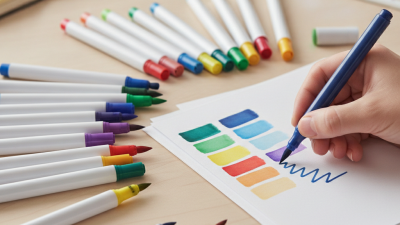
Tip control matters during lettering, sketching, and small details. A firm tip offers more precision; a softer one gives expressive shifts from hairline marks to wide strokes. Color range is useful, but swatches can mislead: pale shades may look stronger on packaging than on paper. Make a small chart and let it dry. Even then, colors may change slightly.

For global buyers, check whether ink is water-based or alcohol-based, and whether it can bleed through common paper. Look for clear information about lightfastness and replacement availability, not just a large color count. Durability shows up in the cap seal, tip recovery, and consistent flow after weeks of use. One honest flaw: no single set suits every hand or project. Test a few markers before investing in a full range.

Buying Considerations for Different Regions and Creative Needs

Regional buying needs more than a large color range. Grand View Research estimated the global art supplies market at USD 13.3 billion in 2023, with continued growth projected through 2030. That broad market figure does not identify brush-marker demand, but it signals a diverse customer base. For humid regions, check whether caps seal tightly and ink dries consistently. In dry climates, test whether the flexible nib stays responsive after brief pauses. Shipping distance matters, too: sturdy trays help prevent bent tips.

Tip: Request samples before placing a bulk order. Test them on the paper your customers actually use. A marker that performs well on smooth paper may feather on porous sketch pads. Compare water-based and alcohol-based inks for odor, bleed-through, drying time, and layering. Also confirm color-label accuracy across production batches. Small mismatches can disrupt classroom sets or coordinated illustration work.

Global buyers should review material disclosures and applicable testing documentation, including ASTM D-4236 labeling where relevant to the intended market. This is not a substitute for checking local requirements. Ask suppliers about nib replacement options, packaging dimensions, and minimum order quantities. Regional preferences can vary sharply, and a broad palette may not outsell reliable everyday colors. I would also leave room for imperfect feedback: artists often discover practical issues only after repeated use.