Leave Your Message
Steel Brush Calligraphy is moving beyond studio practice and entering packaging, signage, wedding stationery, and premium gifting. Global buyers now expect more than an attractive handle. They need consistent line quality, corrosion resistance, safe packaging, and dependable replenishment. A brush that looks elegant online may arrive with loose bristles, uneven pressure, or a rough grip. That gap deserves closer attention.
Market reports provide useful context, although their categories are imperfect. Grand View Research’s Writing Instruments Market report places brush-based tools within the wider writing instruments sector, where product differentiation and premium design continue to influence purchasing decisions. Fortune Business Insights also identifies customization, gifting, and creative education as important demand areas in writing instruments. These reports do not isolate Steel Brush Calligraphy. That limitation matters. Buyers should combine market data with samples, factory audits, coating details, and user testing.
Experienced calligrapher John Stevens has said, “Calligraphy is the ultimate synthesis of what I love: language, art, and human connection.” His observation explains why technical specifications cannot stand alone. A steel brush must translate pressure into expressive marks without scratching paper or tiring the hand. For global procurement teams, small details become practical evidence: a clean ferrule, balanced weight, firm bristles, and packaging that survives humidity and long-distance transport. This guide examines ten purchasing tips, from material verification and sample testing to private labeling and quality control. Some recommendations may need adjustment for regional users, because paper texture, climate, and writing habits vary. That uncertainty should be tested, not ignored.
10 Steel Brush Calligraphy Tips for Global Buyers
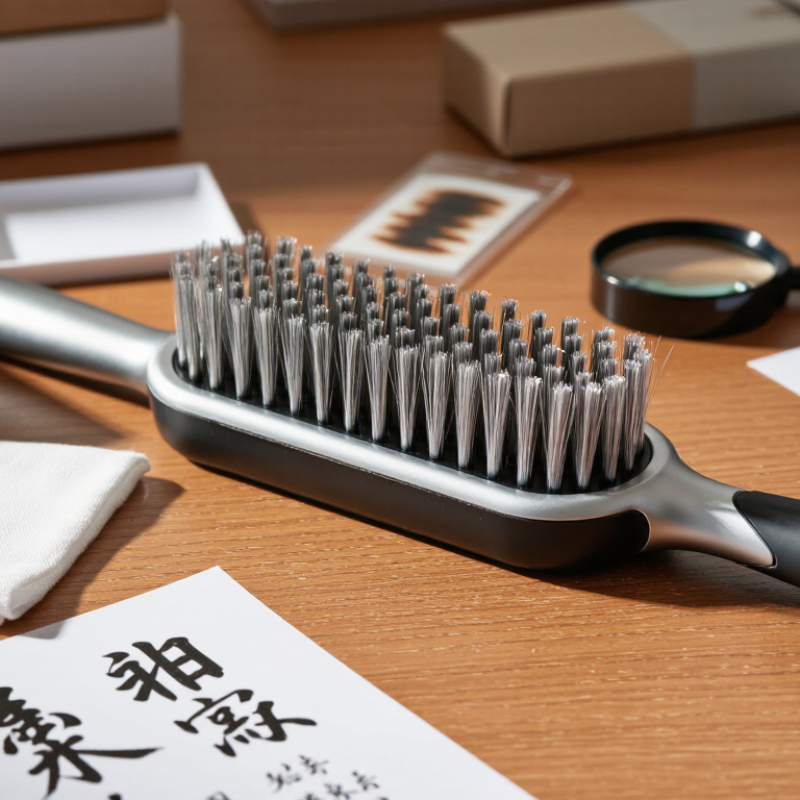
Understanding steel brush calligraphy means examining both its writing effect and construction. A steel brush tool uses flexible metal bristles or a spring-steel tip to create thick and thin strokes. It suits lettering, packaging artwork, signage, and expressive illustration. Unlike traditional hair brushes, steel tips keep their shape longer. They also deliver sharper pressure changes on smooth paper.
Market context matters. Grand View Research valued the global writing instruments market at about USD 17 billion in 2023. Its report also forecasts continued growth through 2030. This supports demand for specialized lettering tools. However, market size does not guarantee product quality. Buyers should request tip material, hardness, corrosion resistance, refill details, and tested stroke samples. Small specification gaps can create large user complaints.
Tips: 1. Check bristle recovery after compression. 2. Match stiffness with writing pressure. 3. Test ink flow on coated paper. 4. Inspect the grip for long sessions. 5. Confirm replaceable parts. 6. Request packaging drop-test information. 7. Compare dry time across inks. 8. Measure line width at low pressure. 9. Review moisture protection for storage. 10. Ask for batch consistency records. Practical testing often exposes weaknesses that catalog photographs hide. A steel tip may feel precise but scratch delicate paper. That detail is easy to overlook. ISO 12757-1 provides useful reference points for writing instrument performance, although it does not cover every steel brush design.
| No. | Buying Tip | Key Dimension | What Global Buyers Should Check | Typical Uses and Practical Notes |
|---|---|---|---|---|
| 1 | Define the Brush Type | Steel-bristle brush or steel brush-tip pen | Confirm whether the product uses exposed metal bristles, a metal brush tip, or a flexible metal nib. These designs produce different textures and writing behavior. | Steel-bristle tools are commonly selected for dry-brush textures, expressive lettering, decorative marks, and controlled ink effects. |
| 2 | Evaluate Line Variation | Pressure response and stroke range | Request writing samples showing light, medium, and firm pressure. A useful tool should create visible stroke variation without permanently bending the tip during normal use. | Pressure-sensitive tips support thick downstrokes, lighter upstrokes, expressive signatures, and contemporary brush lettering. |
| 3 | Check Steel Quality | Corrosion resistance and tip durability | Ask for the steel grade or material description, surface finish, and corrosion-resistance testing. Stainless steel is generally more resistant to rust than untreated carbon steel, but it still requires proper cleaning and storage. | Higher corrosion resistance is especially useful for water-based inks, humid storage conditions, frequent demonstrations, and repeated classroom use. |
| 4 | Match the Tip to the Ink | Ink viscosity and formulation | Verify compatibility with water-based, pigment, metallic, or other ink types. Thick, glitter, and acrylic-style inks may require a wider opening or more frequent cleaning. | Water-based ink is often suitable for everyday lettering, while specialty inks can create metallic, opaque, or textured effects when the tool is designed for them. |
| 5 | Select Suitable Paper | Smoothness, absorbency, and coating | Test the tool on the intended paper before bulk purchasing. Very rough paper can catch fine metal elements, while highly absorbent paper may cause feathering and blurred edges. | Smooth coated or well-sized paper is generally better for crisp lettering, practice sheets, invitations, packaging artwork, and greeting cards. |
| 6 | Inspect Tip Alignment | Straightness, symmetry, and consistency | Check samples for evenly aligned bristles or a centered metal tip. Uneven alignment can cause scratching, irregular ink flow, and inconsistent stroke widths. | Consistent alignment matters for repeatable lettering, production artwork, workshops, and sets containing multiple tools. |
| 7 | Review Handle Comfort | Grip diameter, weight, and balance | Compare handle dimensions and total weight, especially for long writing sessions. A balanced handle can reduce hand fatigue and improve pressure control. | Comfortable handles are valuable for artists, teachers, calligraphy students, event lettering, and extended design work. |
| 8 | Confirm Cleaning Requirements | Washability and maintenance process | Obtain cleaning instructions for the specific ink. Remove residual ink promptly, dry the metal parts completely, and avoid storing the tool while wet. | Simple cleaning routines help preserve ink flow and reduce residue buildup, particularly when switching between colors or ink formulations. |
| 9 | Assess Packaging Protection | Tip protection and transport stability | Look for protective caps, rigid sleeves, or molded inserts that prevent the metal tip from bending during international transport. Packaging should also protect against moisture. | Protective packaging is important for online fulfillment, export shipping, retail display, gift sets, and large-volume distribution. |
| 10 | Request Quality Samples | Batch consistency and performance verification | Test samples from more than one production batch when possible. Compare tip shape, ink flow, handle finish, packaging, and writing performance against agreed specifications. | Pre-shipment sampling helps buyers verify consistency before purchasing tools for education, craft retail, stationery programs, or professional lettering services. |