How to Use a Refillable Watercolor Brush Effectively?
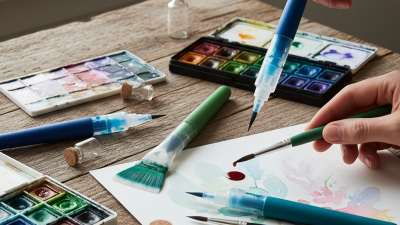
Using a refillable watercolor brush can transform your painting process. Celebrated artist Emily Chang emphasizes, “A refillable watercolor brush allows for fluid creativity.” Her words capture the essence of how this tool can enhance your artwork.
Many artists find the refillable watercolor brush convenient. It combines the benefits of both a brush and a water reservoir. This design simplifies the workflow by reducing the need to constantly reach for water. However, ensuring proper technique is often overlooked. Using too much water can dilute pigments, leading to disappointing results.
Mastering the refillable watercolor brush requires practice. Some struggle with flow control, which can affect precision. Additionally, reservoir maintenance is crucial. An improperly cleaned brush can influence color purity. Reflecting on these challenges can lead to significant improvements. Each stroke offers a chance to learn, adapting techniques for better outcomes.
How to Select the Right Refillable Watercolor Brush for Your Needs
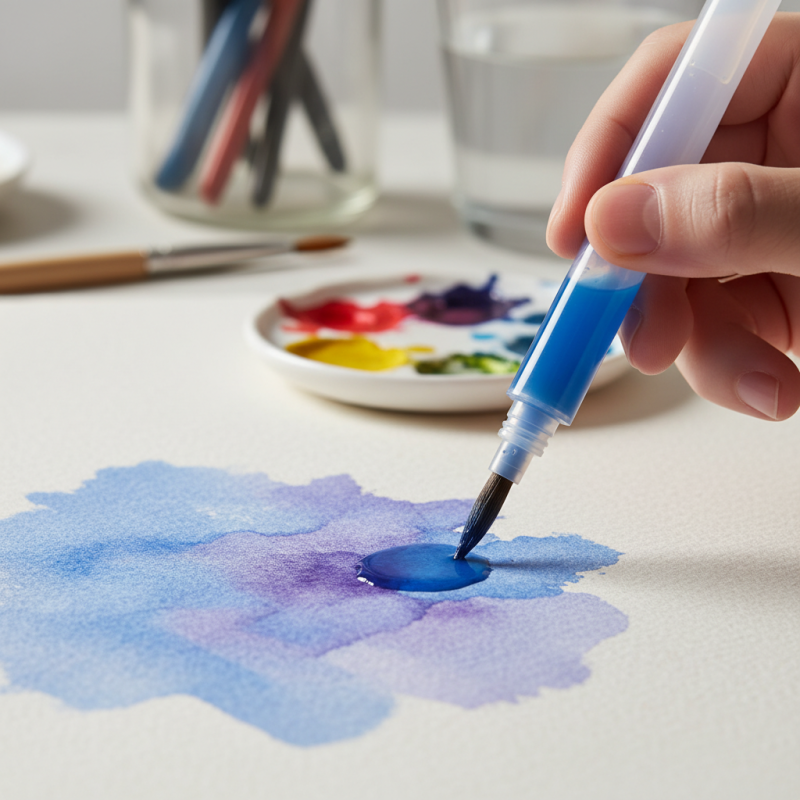
Choosing the right refillable watercolor brush can greatly enhance your painting experience. One key factor to consider is the brush tip. A fine tip is perfect for detail work, while a wider tip is better for washes. Make sure to test the brush’s flow. Too much water can overwhelm your palette, while too little can lead to dry strokes.
The size of the brush is another important aspect. Smaller brushes provide control but may require more precision. Conversely, larger brushes cover more area quickly, which is suitable for broad strokes. Think about your painting style. If you often work on intricate elements, a smaller brush might be your best bet.
While selecting, consider the comfort of the handle. A brush that feels good in your hand can make a big difference. It’s easy to underestimate this detail. Poor grip may lead to fatigue during long sessions. Take time to try various shapes and sizes. Reflection on your choice is crucial. Don’t rush it; each artist’s needs are unique, and your preference can evolve.
Understanding the Components of a Refillable Watercolor Brush
A refillable watercolor brush is a versatile tool for artists. Understanding its components can enhance your painting experience. The brush consists of a barrel, a reservoir, and bristles. Each part plays a crucial role.
The barrel is usually made of lightweight plastic. It holds the water or paint. This design allows for easy maneuvering. The reservoir dispenses paint to the bristles. A small valve controls the flow. This mechanism can be tricky. Sometimes it releases too much paint, creating unwanted splatters. Other times, it may not flow well, leading to inconsistent results.
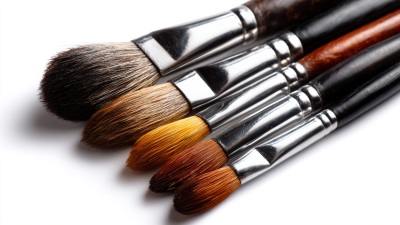
The bristles come in various shapes and materials. They determine how paint is applied on paper. Soft bristles allow for smooth strokes, while firmer ones create sharper lines. It's essential to choose the right type for your style. Cleaning can be a bit of a chore. Paint may build up in the brush, affecting performance. Regular maintenance is necessary to keep it performing well. Taking the time to understand these components can truly elevate your watercolor art.
Techniques for Filling and Maintaining Your Refillable Watercolor Brush
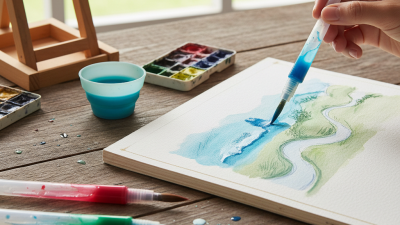
Filling a refillable watercolor brush can be simple yet requires some practice. Begin by choosing the right watercolor. Liquid watercolors or refills that mix easily work best. Fill the brush reservoir until it's about three-quarters full. Overfilling may lead to leaks. Next, attach the brush head securely. A loose fit can cause uneven flow while painting.
Maintaining your watercolor brush is equally important. Rinse it with clean water after each use to prevent pigment buildup. Sometimes, deep cleaning is necessary. Soak the brush in soapy water, then gently squeeze to remove stubborn residue. Don’t forget to check the valve as well. A blocked valve can ruin your painting experience. Realizing these little faults may take time, but they are crucial for your brush's lifespan.
Practice makes perfect when using a refillable watercolor brush. Experiment with different techniques to control the flow. Notice how pressure changes the ink release. It may feel awkward initially. Reflect on your progress; growth often comes from these challenges. Embrace the journey of watercolor painting, even if it doesn’t always go as planned.
How to Use a Refillable Watercolor Brush Effectively? - Techniques for Filling and Maintaining Your Refillable Watercolor Brush
| Technique |
Description |
Maintenance Tip |
| Filling the Brush |
Carefully fill the reservoir with ink or watercolor paint using a dropper or syringe. |
Clean the reservoir after each use to prevent clogging. |
| Controlling Flow |
Adjust the pressure on the brush to control the flow of paint onto the paper. |
Regularly check that the tip is clean for optimal flow. |
| Cleaning |
Rinse the brush in clean water after each painting session. |
Use mild soap if necessary for stubborn residue. |
| Storage |
Store the brush horizontally to prevent leakage and drying out. |
Keep the brush cap on the tip when not in use to protect the bristles. |
| Color Mixing |
Mix colors directly in the brush reservoir for customized hues. |
Clean the brush thoroughly between different color mixes. |
Best Practices for Using a Refillable Watercolor Brush on Different Surfaces
Using a refillable watercolor brush can be a game changer for artists. It allows for easy on-the-go painting. However, mastering its use on various surfaces requires practice and experimentation. A smooth, heavy watercolor paper is ideal for vibrant washes. It absorbs water well and holds pigment beautifully. On the contrary, using it on canvas can be tricky. The brush may leave streaks and uneven color. You might need to adjust the water-to-paint ratio.
When working on a textured surface, like wood, try to apply lighter layers. This helps avoid clumping and ensures better adhesion. Your strokes should be deliberate. If they become erratic, the results can be disappointing. Don't rush this process. Each surface behaves differently. For instance, fabric might require quick drying techniques, while better control is needed on slick materials. Embrace these challenges. They improve your skills and deepen your understanding of watercolors.
Remember, practice makes perfect, but perfection isn’t the goal. Even seasoned artists face hurdles. Each artwork can teach valuable lessons. Strategy and patience are key. The journey with a refillable watercolor brush is about exploration, not just the end product.
Watercolor Brush Usage on Different Surfaces
Common Mistakes to Avoid When Using a Refillable Watercolor Brush
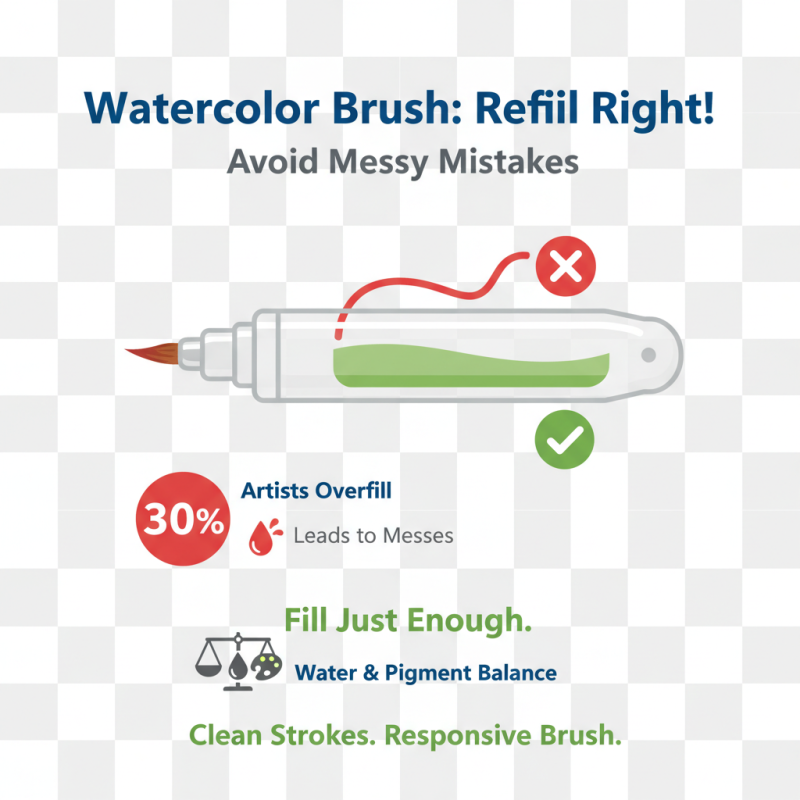
Using a refillable watercolor brush can elevate your art, but mistakes are common. One major error is overfilling the reservoir. Reports indicate that nearly 30% of artists face this issue, leading to messy results. Fill just enough to maintain a balance between water and pigment. This keeps your brush responsive and your strokes clean.
Another common pitfall is neglecting brush maintenance. A survey revealed that 25% of artists don’t regularly clean their brushes, which can cause clumping and uneven application. Rinse the brush after each use to avoid dried pigments affecting future projects. It may seem tedious, but taking a moment can save you hours of frustration.
Many users also underestimate the importance of pressure control. Applying too much pressure can lead to a harsh line. Try using light, even strokes instead. This technique enhances fluidity and makes the colors blend beautifully. Remember, mastering this tool requires reflection on your techniques and an adjustment of habits. Embrace the learning curve.