How to Use Water Color Pen Brush for Stunning Art Techniques and Tips
In the realm of artistic expression, the Water Color Pen Brush has emerged as a beloved tool among creators. Esteemed artist and watercolor expert, Emily Chen, once stated, “The versatility of the Water Color Pen Brush allows artists to blend colors seamlessly and create stunning layers that elevate their work to new heights.” With its unique combination of brush and pen capabilities, this innovative tool enables artists to explore a variety of techniques ranging from delicate washes to intricate details.
As we delve into the world of the Water Color Pen Brush, it becomes evident how this tool facilitates both novice and seasoned artists in their quest for creativity. By harnessing the fluid nature of watercolor, artists can effortlessly bring their imagination to life, experimenting with various techniques that enhance their artistic repertoire. Throughout this guide, we will explore essential tips and techniques for mastering the Water Color Pen Brush, allowing you to unlock your full artistic potential and create breathtaking masterpieces that captivate the viewer's eye. Whether you are painting landscapes, portraits, or abstract compositions, the Water Color Pen Brush is sure to become an indispensable ally in your artistic journey.
Understanding the Basics of Water Color Pen Brushes
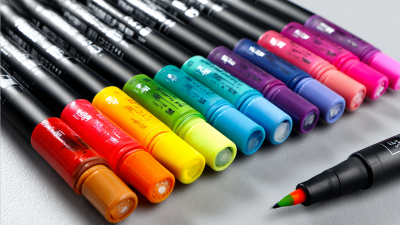
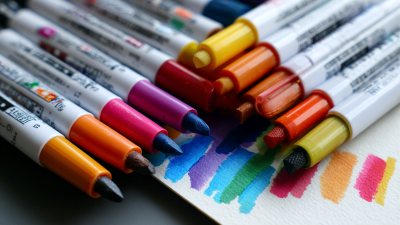
Watercolor pen brushes are versatile tools that combine the precision of a pen with the fluidity of watercolor paint. Understanding the basics of these brushes is essential for anyone looking to delve into watercolor art. They typically consist of a brush tip filled with water-soluble ink or pigment, allowing for seamless blending and vibrant color application. When using watercolor pen brushes, it’s important to practice controlling the water flow from the brush to achieve the desired saturation and texture in your artwork.
One helpful tip for beginners is to start with lighter washes and build up color gradually. This technique allows for better control and enables you to create layers of depth without overwhelming your piece. Experimenting with different paper types can also elevate your work; thick, textured watercolor paper will absorb water differently compared to smoother surfaces. Furthermore, don't hesitate to use a blending brush or water with your watercolor pen to smooth transitions and create soft edges.
Another useful tip is to practice different stroke techniques, such as hatching and cross-hatching, to add dimension to your illustrations. You can also try wet-on-wet techniques, where the brush is applied to wet paper to create beautiful, diffused washes. By understanding the fundamentals of watercolor pen brushes and utilizing these tips, artists can unlock a world of creative possibilities and enhance their artistic expressions.
Choosing the Right Water Color Pen Brush for Your Art
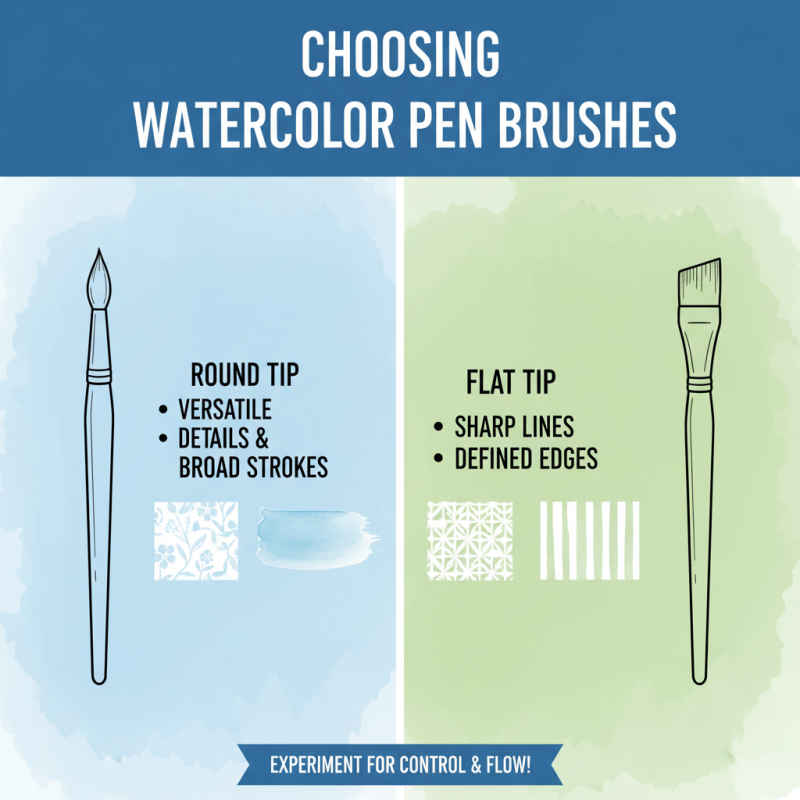
Choosing the right watercolor pen brush is crucial for achieving stunning artwork. When selecting a brush, consider the tip shape and size, as these elements significantly influence your painting techniques. Round tips are versatile, suitable for both detail work and broader strokes, while flat tips excel in creating sharp lines and defined edges. Experimenting with different sizes will help you understand how each brush impacts your control and the overall flow of your artwork.
Additionally, the quality of the brush itself plays a significant role in your artistic experience. Look for brushes that offer good water retention, as this ensures smooth application of paint and facilitates blending. Synthetic brushes are often favored for their durability and ease of cleaning, but natural hair brushes can provide a different texture and fluidity to your strokes. Ultimately, the best choice depends on your personal preferences and the specific techniques you wish to explore, so take the time to test out various options to discover what feels best for your unique style.
Essential Techniques for Applying Water Color Pens
Watercolor pens have gained popularity among artists for their versatility and ease of use. According to a recent survey by the National Art Materials Trade Association, nearly 60% of artists reported using watercolor pens as a primary medium in their work. This exciting tool combines the convenience of a pen with the beautiful, fluid effects of watercolor, making it an excellent choice for beginners and seasoned artists alike.
To effectively apply watercolor pens, understanding essential techniques is crucial. One popular method is the wet-on-wet technique, where artists apply water directly onto the paper before using the pen to create a soft, blended effect. This can result in stunning gradients and an ethereal quality that has become a hallmark of watercolor art. Furthermore, layering techniques allow for enhanced depth and richness; by allowing an initial layer to dry before applying additional colors, artists can achieve a vibrant depth in their compositions. A study by the Journal of Art and Design Education highlights that structured techniques like these can significantly improve the overall quality and appeal of artwork, suggesting that methodical practice leads to more engaging creative outcomes.
In addition, artists can explore various tools and methods to further enhance their artwork. For instance, using a water brush can help to easily manipulate and blend colors directly on the paper, offering greater control over the final result. Understanding the balance between water and pigment is essential, as it can dramatically affect the vibrancy and transparency of the colors used. Embracing these essential techniques will help artists unlock the full potential of watercolor pens, transforming their artistic expressions into stunning visual masterpieces.
How to Use Water Color Pen Brush for Stunning Art Techniques and Tips - Essential Techniques for Applying Water Color Pens
| Technique |
Description |
Tips |
Best Use Cases |
| Wet-on-Wet |
Applying watercolors on wet paper to create soft edges and blended colors. |
Use a large brush to wet the paper evenly before applying color. |
Landscapes, backgrounds, and abstract art. |
| Layering |
Building colors in layers for depth and dimension. |
Allow each layer to dry before adding the next. |
Floral paintings, portraits, and detailed illustrations. |
| Dry Brush |
Using a dry brush to apply color for a textured effect. |
Experiment with different brush types for unique textures. |
Textured backgrounds and detailing. |
| Color Mixing |
Combining colors on the palette or paper to create new shades. |
Start with primary colors and experiment. |
Any artwork requiring custom colors. |
| Splattering |
Creating a dynamic, textured look by flicking paint onto the surface. |
Protect surrounding areas with masking tape. |
Abstract art and backgrounds. |
Tips for Blending and Layering with Water Color Pens
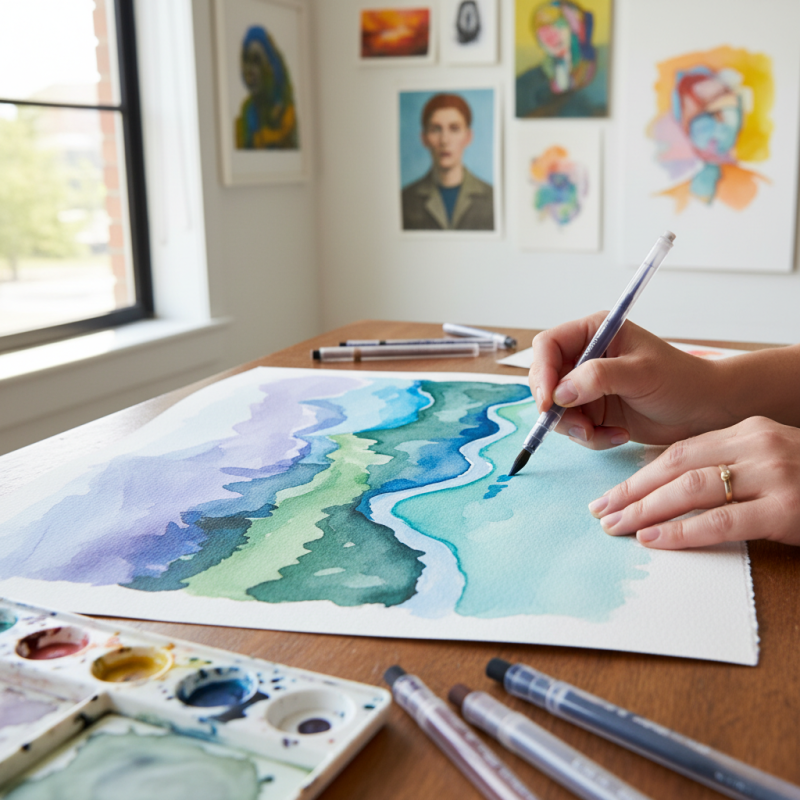
Blending and layering with watercolor pens can elevate your artwork to new heights. One effective technique for blending is to start with a base color, applying it with a light touch to create a soft background. Once the initial layer is dry, use a contrasting or complementary color and lightly brush over the first layer, allowing the colors to meet while they remain wet. This approach enables a smooth transition and seamless blending, creating a visually appealing gradient effect. If you want to achieve more defined edges, apply the second color once the first layer has dried completely, allowing for more control over the blending process.
Layering adds depth and dimension to your artwork. Begin by establishing your darker colors first, and then gradually build up with lighter shades. This method creates a rich, multi-faceted look that draws the viewer’s eye. When layering, it’s crucial to allow each layer to dry completely before applying the next; this prevents muddying the colors and maintains their vibrancy. Experimenting with varying pressure on the brush can also yield different textures, further enhancing the layered effect. Remember, patience is key—taking your time with each layer and blending will lead to stunning and intricate results in your watercolor art.
Water Color Pen Brush Techniques: Blending and Layering
Exploring Creative Applications of Water Color Pens in Art
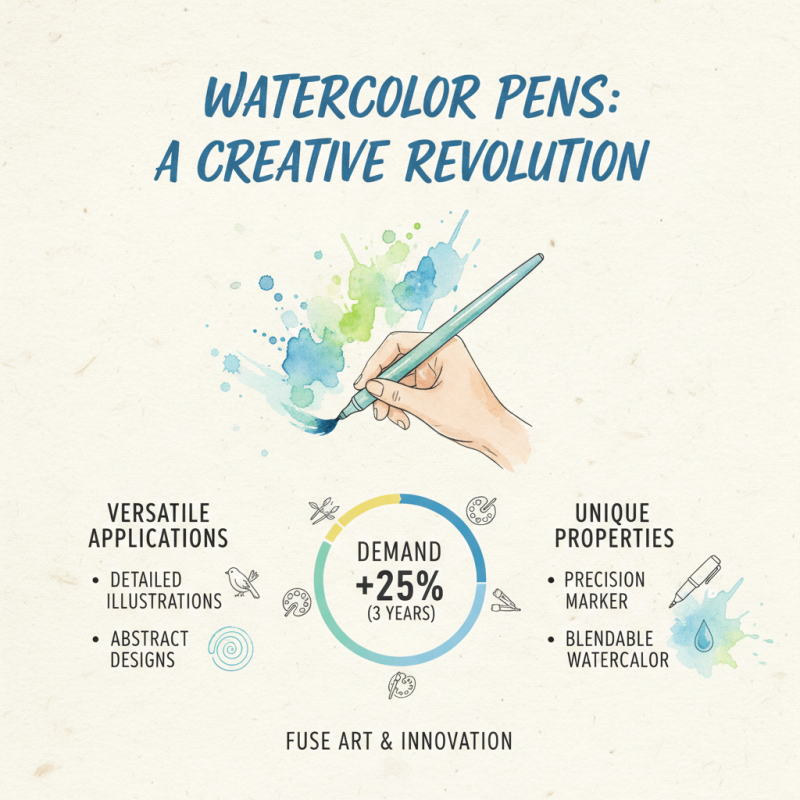
Watercolor pens have emerged as a versatile tool in the art community, allowing artists to explore innovative applications that transform traditional techniques. According to a report by the Arts and Crafts Industry Association, the demand for watercolor materials has surged by 25% over the past three years, highlighting a growing interest among both amateur and professional artists. These pens combine the precision of a marker with the blending properties of watercolor, allowing for a unique expression that can be tailored to various styles, from detailed illustrations to abstract designs.
One of the most creative applications of watercolor pens is in mixed media art, where artists can layer different textures and materials to achieve stunning effects. Research indicates that creators who incorporate mixed media into their work often report increased satisfaction and engagement, as it provides a platform for experimentation and self-expression. Techniques such as wet-on-wet and wet-on-dry can yield beautiful gradients and washes, making watercolor pens an essential tool for those looking to push the boundaries of their artistry. By mastering these techniques, artists not only enhance their skills but also expand their creative repertoire, ultimately leading to more captivating works.