What Are the Top Types of Chinese Brush Pens in 2026?
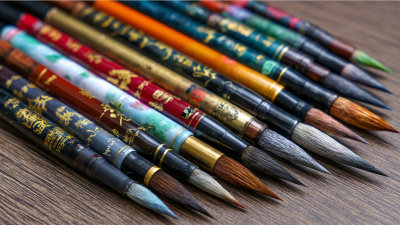
In 2026, choosing a Chinese Brush Pen means matching its shape, hair, and spring to the marks you want to make. A soft goat-hair brush can spread into broad, cloudlike strokes. A firmer wolf-hair brush often gives tighter control for narrow lines and brisk turns. Mixed-hair brushes sit between these qualities, though their performance varies by maker and construction.
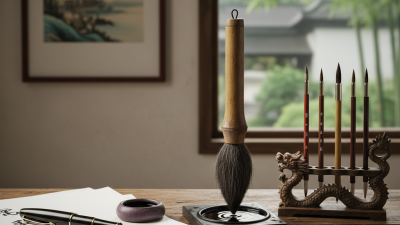
Calligrapher Qi Gong is known for emphasizing disciplined practice. A practical principle consistent with that teaching is, “Choose the brush that helps your hand stay steady.” This is a paraphrase, not a verified verbatim quotation. It points to a useful truth: no label can replace trying the brush. A pointed tip may suit changing line widths; a flatter brush can cover space quickly. The handle’s balance matters, too. Even a small weight difference is noticeable during a long session.
This guide compares the leading brush types, their materials, common uses, and trade-offs. It also considers beginner-friendly options and details worth checking, such as tip recovery, hair alignment, and how the brush behaves when damp. A glossy handle is not proof of quality. Neither is a high price. The categories can blur, and makers do not use labels consistently. That deserves a second look. The best choice is the one that responds predictably to your pressure, pace, and paper.
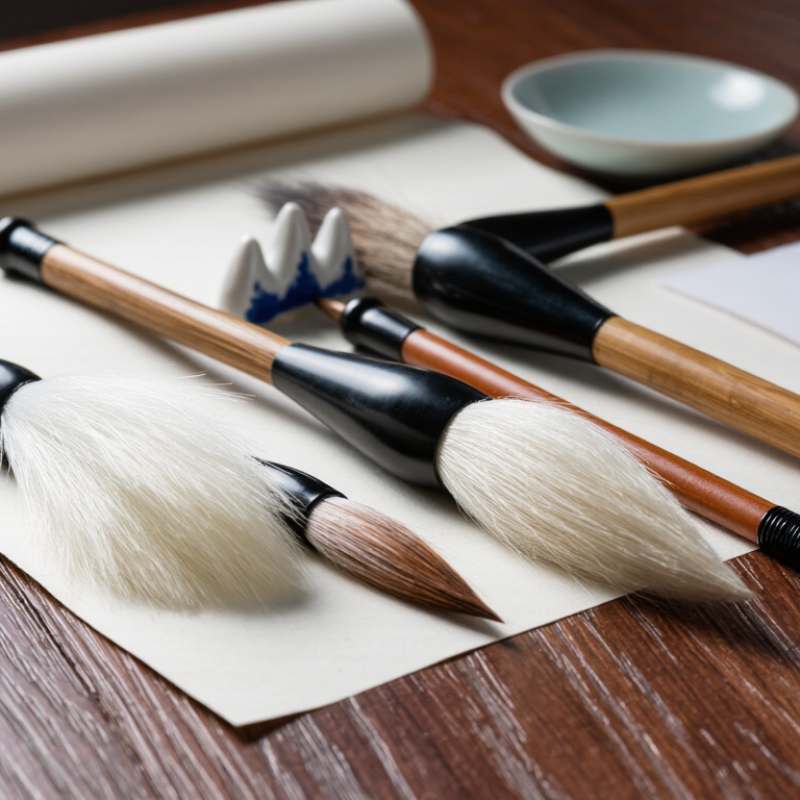
How Chinese Brushes Are Classified by Soft, Hard, and Mixed Hair
Chinese brush pens in 2026 are commonly classified by the hair used for their tips: soft, hard, or mixed. These labels describe how a brush responds, not its overall quality. Soft-hair brushes, often made with goat hair, feel flexible and absorb plenty of ink. Their rounded tips can create broad, flowing strokes, especially on absorbent paper. They also need a steady hand. Too much pressure may flatten the tip and blur a fine line.
Hard-hair brushes, often made with weasel or other resilient animal hair, tend to spring back quickly. They offer more control for narrow lines, crisp turns, and smaller characters. A simple test is to wet the brush and gently press its tip against paper: a resilient point should gather itself again. Mixed-hair brushes combine softer and firmer fibers. The blend can balance ink capacity with a stable tip, but each brush behaves differently. Not always predictable. Hair proportions and craftsmanship matter, so the category alone cannot tell you exactly how a brush will feel. For practice, try the same stroke with each type on the same paper; changes in spread and rebound are easy to see. The labels help, though they are not perfect.
Soft-Hair Goat Brushes: Fiber Length, Ink Capacity, and Stroke Width
Soft-hair goat brushes are valued for smooth ink release and flexible strokes.
Hair length changes how the brush behaves: around 20–30 mm often feels controlled for compact characters, while 40–60 mm can carry more ink and form broader lines. These are practical selection ranges, not universal specifications. China’s QB/T 1474-2017 writing-brush standard offers a technical reference for product quality, but length labels alone do not predict performance. Hair density, taper, and how tightly the hairs are bound matter too.
Ink capacity depends on the brush’s hair bundle, not length alone. A fuller belly may hold more ink, yet can leave a heavy pool at the end of a slow stroke. Long fibers bend easily and make sweeping lines, but beginners may find them harder to steer. Try one line on absorbent paper, then repeat on a smoother sheet. The difference can be surprising. I would not judge a brush from one test; paper and ink change the result.
Tips:
For fine details, try a shorter, narrower tip. For large characters, test a longer brush with a fuller belly. Dip only about two-thirds of the hair bundle, then draw a slow line and a quick flick. Compare both widths. My own choice would still depend on the paper—an imperfect but useful reminder.
Hard-Hair Weasel Brushes: Spring, Point Retention, and Fine-Line Control
Hard-hair weasel brushes are valued for lively spring: press the tip, then watch it return to shape. That rebound helps maintain narrow lines during fast turns and changes in pressure. Their tapered hairs can form a fine point, useful for small characters, leaf veins, and crisp outlines. But “hard hair” does not guarantee reliable control. Hair length, bundle density, and binding all affect how the brush responds.
China’s writing-brush industry standard QB/T 2993-2008 provides a product-inspection framework, but it does not give buyers one universal numerical spring score. Compare brushes with the same ink and paper instead. Draw repeated thin lines, then make a short press-and-lift stroke. Note whether the point splits, wanders, or returns promptly. This is a practical comparison, not a laboratory test. Even a well-made brush may feel stiff with little water; that part is easy to overlook.
Tips: Rinse the hairs, shape the point, and test on scrap paper. Check whether the tip reunites after each stroke. Keep your pressure light. A small difference in hand angle can change the line more than expected.
Mixed-Hair Brushes: How Fiber Blends Balance Flexibility and Resilience
Mixed-hair brushes combine natural and synthetic fibers to balance a soft touch with dependable spring. Natural hair can hold a generous load of ink or water. Synthetic strands often add resilience and help the tip recover after each stroke. The exact feel depends on the fiber mix, brush shape, and how tightly the hairs are bound. No blend behaves exactly alike.
On a practice sheet, a well-balanced brush can form a fine line with light pressure, then widen smoothly when pressed. It should gather back toward a point as pressure lifts, though a slightly uneven return is normal. That detail matters. A brush that springs back too quickly may feel stiff; one that stays splayed can make narrow turns harder to control. Test it with a few slow curves and short strokes before using it for finished work.
Care affects performance, too. Rinse ink from the hairs with cool or lukewarm water, then reshape the tip gently with your fingers. Let the brush dry with its hairs pointing down or resting horizontally. Avoid leaving it standing in water. Mixed fibers can wear at different rates, so inspect the tip rather than relying on the label alone. Some trial and error is unavoidable.
2026 Selection Metrics: Tip Length and Diameter in GB/T 34854-2017
In 2026, Chinese brush pens are commonly grouped by hair type: soft, hard, and mixed. Soft-hair tips often hold plenty of ink and make flowing strokes, while firmer tips offer more control. Mixed-hair brushes balance flexibility and spring. These labels help, but they do not tell the whole story. GB/T 34854-2017 provides a shared reference for describing brush-tip length and diameter. Check the standard’s definitions when comparing product specifications; avoid treating informal size names as exact measurements.
Tip length affects how much the brush bends. A longer tip can produce broad, expressive lines, but may feel harder to steer in tight characters. Diameter indicates the tip’s width and can help estimate stroke scale. For small writing, a narrower tip may be practical; larger characters often need more ink capacity. Small details matter. Still, measurements cannot predict every result: hair stiffness, ink load, paper texture, and the writer’s pressure all change the mark. It is easy to overtrust a neat chart. Compare dimensions under the same measurement method, then test a few strokes on your intended paper.
What Are the Top Types of Chinese Brush Pens in 2026?
Typical tip-length and tip-diameter ranges for common brush formats (mm)
Fine-detail brushes suit small characters, while larger formats hold more ink for broader strokes. The ranges shown are indicative selection examples, not official category limits from GB/T 34854-2017; dimensions vary by product, so check the stated measurements before purchase.