Leave Your Message
Finding Cheap Brush Pens for bulk purchase requires more than choosing the lowest listed price. A carton may look affordable until shipping, damaged units, and replacement costs appear. Experienced buyers compare the full cost per usable pen, not just the catalog price. This guide explains how to assess suppliers, product quality, minimum order quantities, and delivery terms with practical care.
Start by requesting samples before placing a large order. Test the pens on smooth paper, rough sketch paper, and light cardstock. Check whether the bristles split, the ink skips, or the cap dries after several minutes. Look closely at color consistency across the same batch. Small differences matter in classrooms, workshops, and packaging projects. Ask suppliers about ink type, storage conditions, production dates, and quality-control procedures. Reliable sellers should provide clear specifications and realistic sample photos. They should also explain their return policy without avoiding direct questions.
Price is only one part of value. A cheaper pen may have a shorter writing life. It may also create extra labor when many pens fail. That lesson is easy to miss. Compare at least three quotations, including freight and taxes where applicable. Confirm carton quantities, delivery schedules, private-label options, and payment safeguards. Responsible purchasing also means checking supplier records and following applicable trade and consumer regulations. Some online listings appear convincing but lack measurable evidence. Treat them carefully. By combining sample testing, transparent communication, and documented comparisons, buyers can locate Cheap Brush Pens that remain practical after delivery, not merely attractive on a spreadsheet.
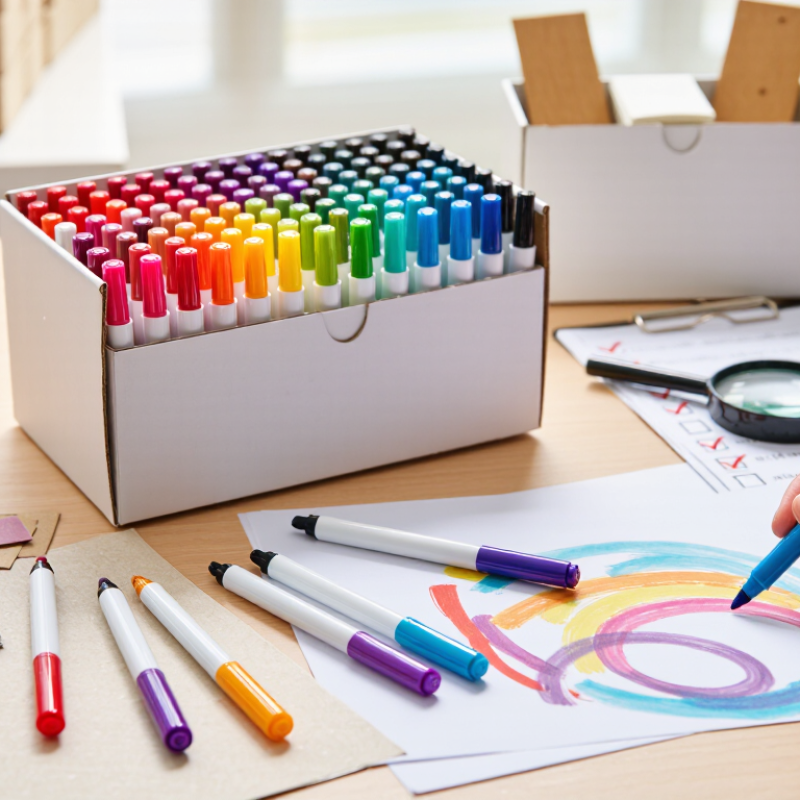
Before searching for cheap brush pens, define what your bulk order must accomplish. A school art program may need 500 identical pens, while a stationery shop may need several tip sizes. Write down the expected users, drawing styles, paper types, and monthly demand. Include a small allowance for damaged items and early replacements. It is easy to underestimate this number.
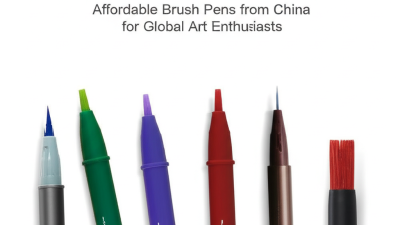
Check the technical details carefully. Decide between flexible brush tips, firm tips, or mixed sets. Confirm ink color, drying time, water resistance, barrel length, and individual packaging. For classroom use, low-odor ink and secure caps matter. For lettering workshops, consistent ink flow matters more. Ask for samples before ordering. Test each pen on smooth paper, recycled paper, and textured cardstock. Watch for frayed tips, uneven strokes, leaking caps, and fading color after several days.
Keep a simple requirement sheet. Record the target price per pen, acceptable defect rate, delivery window, and replacement policy. A low unit price can become expensive when ten percent arrive unusable. I once focused too heavily on color variety and overlooked storage space. That mistake changed the order plan. Measure your shelves and cartons before confirming quantities. Also request a production sample from the same batch when possible. Small differences can appear between samples and final shipments. Recheck your assumptions. Your first estimate may be wrong.
| Requirement | Recommended Bulk Target | Why It Matters for Cost | How to Verify Before Ordering |
|---|---|---|---|
| Purchase quantity | 500–5,000 pieces per order | Larger quantities commonly qualify for lower unit pricing and reduce packaging cost per pen. | Request price tiers for 500, 1,000, 3,000, and 5,000 pieces. |
| Pen type | Water-based, disposable brush pen | Disposable designs generally have fewer components and lower purchase costs than refillable or dual-ended models. | Confirm the ink system, refillability, number of tips, and included accessories. |
| Tip material | Flexible nylon or polyester fiber tip | Fiber tips are suitable for economical writing and lettering applications when consistent pressure control is not critical. | Test at least 10 pens for line recovery, fraying, splitting, and tip deformation. |
| Line-width range | Approximately 1–4 mm under normal writing pressure | A moderate line range supports handwriting, lettering, classroom activities, and basic illustration without requiring multiple pen types. | Use a writing test sheet to compare thin upstrokes and wider downstrokes. |
| Ink formula | Water-based, quick-drying, low-odor ink | Water-based ink is often more economical and easier to handle for schools, offices, and general craft use. | Check drying time, odor, bleed-through, and compatibility with the intended paper. |
| Color assortment | 12, 24, or 36 colors per set | Standard color sets simplify packing and usually cost less than custom assortments. | Request a color list, color chart, and confirmation of the quantity of each color. |
| Color consistency | Consistent color within each production batch | Inconsistent shades can increase returns, sorting labor, and replacement costs. | Compare samples from different batches under the same lighting conditions. |
| Cap and sealing | Tight-fitting cap with secure sealing | Reliable sealing reduces drying losses during storage and transportation. | Store sample pens capped for 30 days and test writing performance afterward. |
| Barrel material | Lightweight polypropylene or similar plastic barrel | Lightweight plastic helps reduce material and shipping costs while providing adequate everyday durability. | Check for cracks, loose parts, sharp edges, and deformation after basic drop testing. |
| Packaging format | Simple paper box or recyclable plastic pouch | Simple packaging lowers packaging material, assembly, and storage expenses. | Specify set quantity, inner-box quantity, carton quantity, and packaging dimensions. |
| Custom printing | No customization for the lowest initial cost | Custom logos, colors, and packaging can add setup fees, minimum quantities, and longer production times. | Compare the standard product price with the customized price, including tooling and artwork fees. |
| Quality tolerance | Agree on an acceptable defect rate before production | Clear inspection criteria help prevent disputes and unexpected replacement or rework expenses. | Define acceptable limits for ink leakage, dry pens, damaged tips, missing caps, and packaging defects. |
| Sample approval | Approve a pre-production sample before mass manufacturing | Sample approval reduces the risk of receiving a low-cost product that does not meet practical requirements. | Keep the approved sample and compare it with random production units. |
| Delivery schedule | Allow approximately 15–30 days for standard bulk production | Planning ahead avoids rush production, expedited freight, and stock-out costs. | Confirm sample time, production time, dispatch date, and estimated transit time in writing. |
| Total landed cost | Evaluate product, packaging, freight, taxes, inspection, and payment fees together | The lowest unit quotation may not be the cheapest final option after logistics and import-related charges. | Calculate: total order cost ÷ sellable units received. |