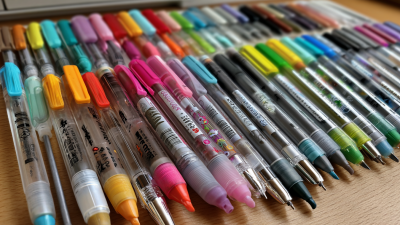
Why Soft Head Watercolor Pens Are Essential for Every Artist's Toolkit
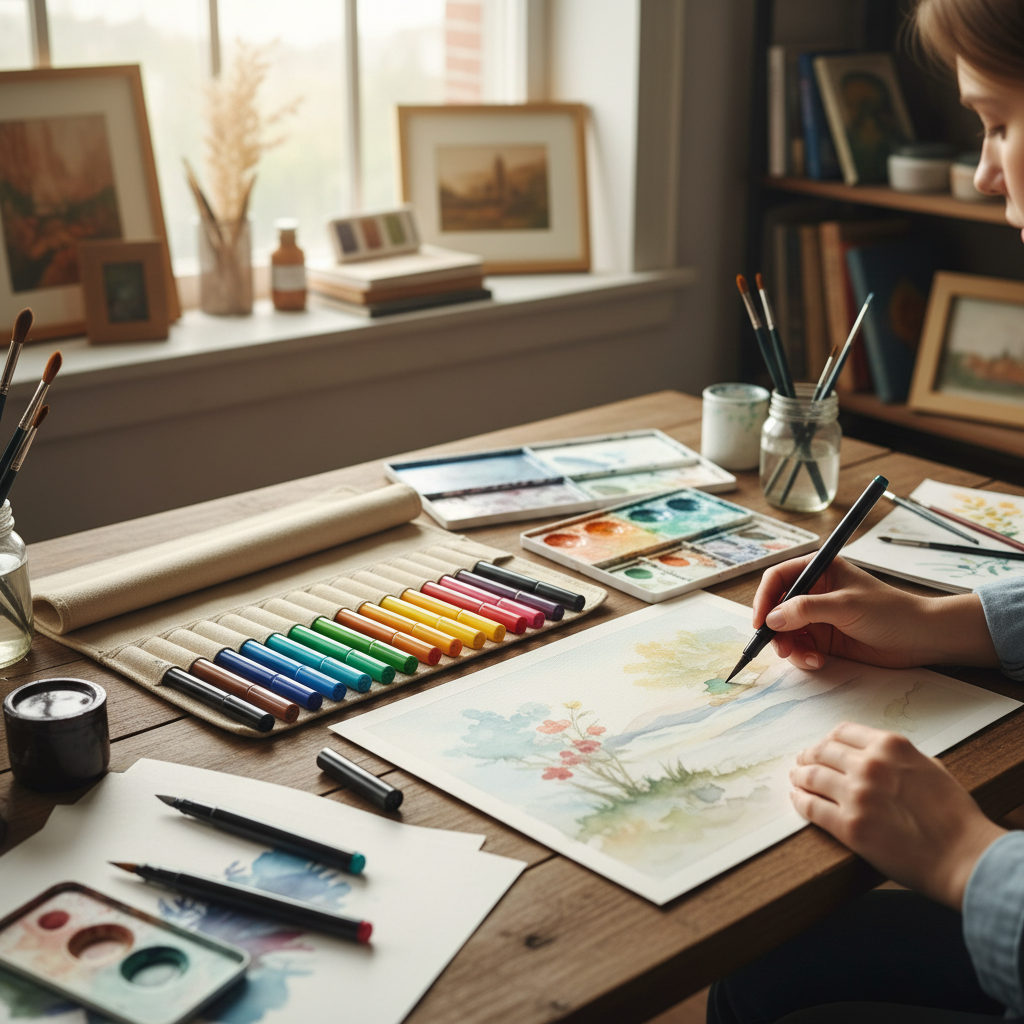
In the vibrant world of watercolor art, the tools artists choose can make a profound difference in their creative expression. Among these essential tools, the Soft Head Watercolor Pen has emerged as a favorite for many artists due to its unique ability to
blend colors seamlessly and create highly nuanced effects. Renowned watercolor artist Emily Johnson once stated, "The versatility of the Soft Head Watercolor Pen allows you to explore new dimensions in your artwork, turning a simple wash into a masterpiece."
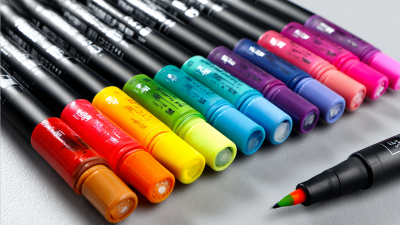
This innovative pen not only simplifies the watercolor process but also caters to both beginners and seasoned artists alike. Its soft brush tip provides greater control over color application, allowing artists to achieve delicate strokes and rich textures.
As we delve into the top ten reasons why Soft Head Watercolor Pens are indispensable for every artist's toolkit, we will explore their advantages, versatility, and the transformative impact they can have on your artistic journey.
Benefits of Using Soft Head Watercolor Pens for Blending Techniques
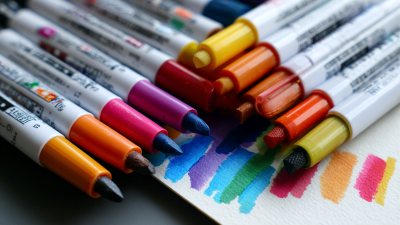
Soft head watercolor pens have become indispensable tools for artists looking to enhance their blending techniques. One of the primary benefits of these pens is their unique, soft brush tips that allow for seamless transitions between colors. This feature enables artists to create smooth gradients and rich textures that are often challenging to achieve with traditional brushes. The softness of the tip absorbs and distributes water effectively, providing a more controllable flow of pigment, which is crucial for delicate blending.
Furthermore, soft head watercolor pens offer versatility in application. Artists can use them to achieve both fine details and broader washes, adapting effortlessly to various styles and techniques. The ability to layer colors without harsh lines facilitates a more organic look in watercolor paintings, making the resultant artwork both vibrant and harmonious. Combining this ease of use with the portability of the pens makes them essential for artists who wish to experiment with blending techniques in different environments, whether in the studio or on the go.
Why Soft Head Watercolor Pens Are Essential for Every Artist's Toolkit - Benefits of Using Soft Head Watercolor Pens for Blending Techniques
| Feature |
Description |
Benefits |
| Soft Brush Tip |
Provides a smooth application of color. |
Allows for seamless blending and layering of colors. |
| Versatility |
Can be used for various techniques including wet-on-wet and dry brushing. |
Enhances creativity by enabling multiple styles and effects. |
| Water Soluble Ink |
Ink easily mixes with water for soft washes. |
Produces delicate color gradients that are essential for realistic artwork. |
| Easy to Control |
Offers better precision compared to traditional paintbrushes. |
Facilitates detailed work and fine lines without excess splatter. |
| Ideal for Beginners |
Simple to use without extensive technique learning. |
Encourages new artists to experiment with watercolor techniques. |
How Soft Head Watercolor Pens Enhance Color Vibrancy and Detail
Soft head watercolor pens have become an indispensable tool for artists looking to enhance color vibrancy and detail in their work. These innovative tools leverage the benefits of both traditional watercolor painting and the convenience of pen application. According to a report by the Art Materials Retailers Association, nearly 65% of artists who use watercolor mediums acknowledge that soft head pens allow for smoother blending and transitions, resulting in more vibrant and captivating pieces. The soft tips enable a gentler application of pigment, enhancing the luminescence of colors on paper, yielding a depth often difficult to achieve with conventional brushes.
When using soft head watercolor pens, consider these tips: First, always start with light layers and gradually build up your color intensity. This technique helps in maintaining vibrancy without overwhelming the canvas. Second, try wetting the paper slightly before applying the pen to create a seamless wash effect. Additionally, using a watercolor-friendly paper will elevate the final outcomes, allowing colors to bloom and merge beautifully. As reported by the International Watercolor Society, artists who utilize soft head pens along with high-quality papers report a 40% increase in satisfaction with their color outcomes and overall creativity.
Versatility of Soft Head Watercolor Pens in Various Art Styles
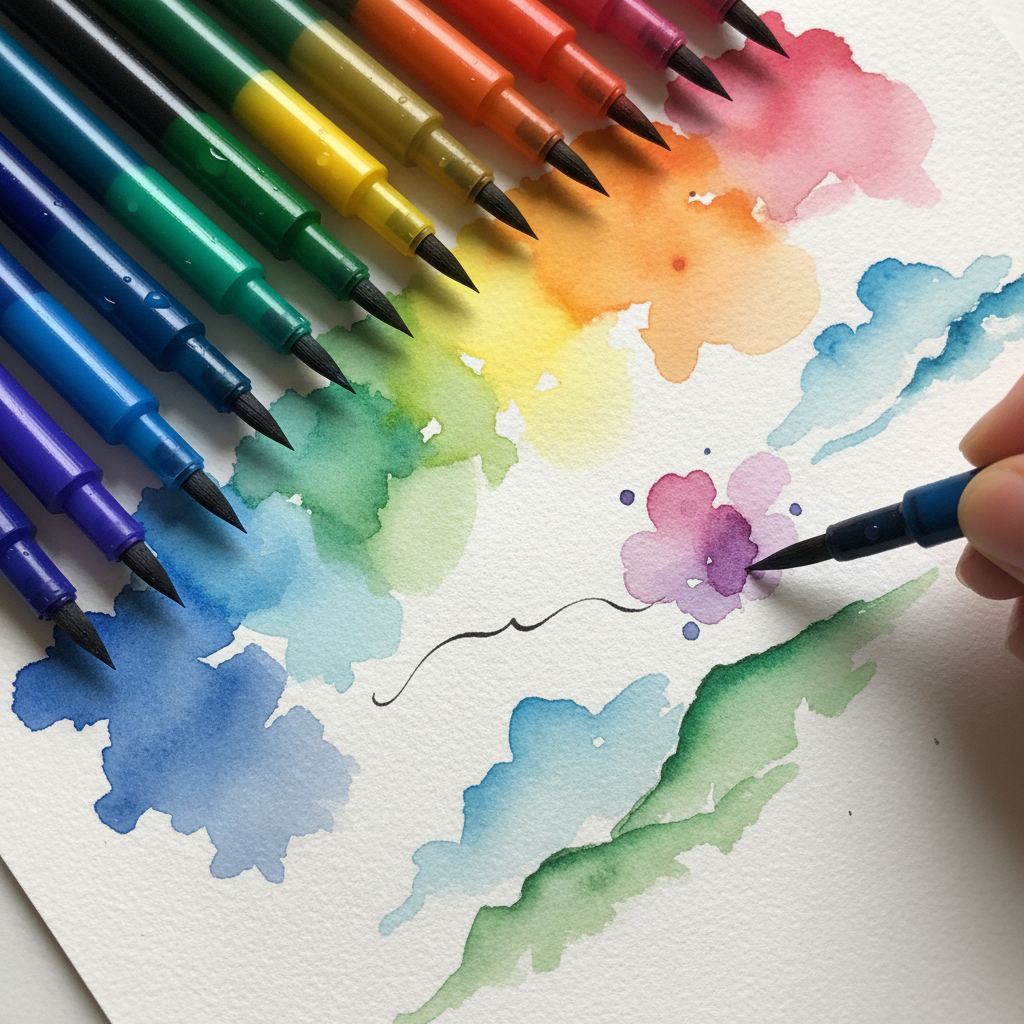
Soft head watercolor pens are a game-changer in the realm of art, offering unparalleled versatility across various styles. Artists appreciate their ability to smoothly transition from vibrant washes to delicate details, making them suitable for everything from illustrative works to more abstract expressions. The soft tips allow for gentle blending and layering of colors, facilitating techniques like wet-on-wet and dry brush that are essential for watercolor effects. Whether creating soft landscapes or intricate portraits, these pens cater to both fine line work and broader strokes, proving invaluable in an artist’s toolkit.
Moreover, the adaptability of soft head watercolor pens extends beyond traditional watercolor techniques. They easily integrate with mixed media, allowing artists to incorporate elements of ink, gouache, or even markers. This fosters experimentation, encouraging artists to push the boundaries of their creativity. The lightweight nature of the pens also makes them convenient for on-the-go artists, providing an easily transportable option that doesn't compromise on performance. Ultimately, the versatility of soft head watercolor pens enhances the creative process, enabling artists to explore a wide range of styles while achieving stunning results.
Comparative Analysis: Soft Head vs. Hard Head Watercolor Pens
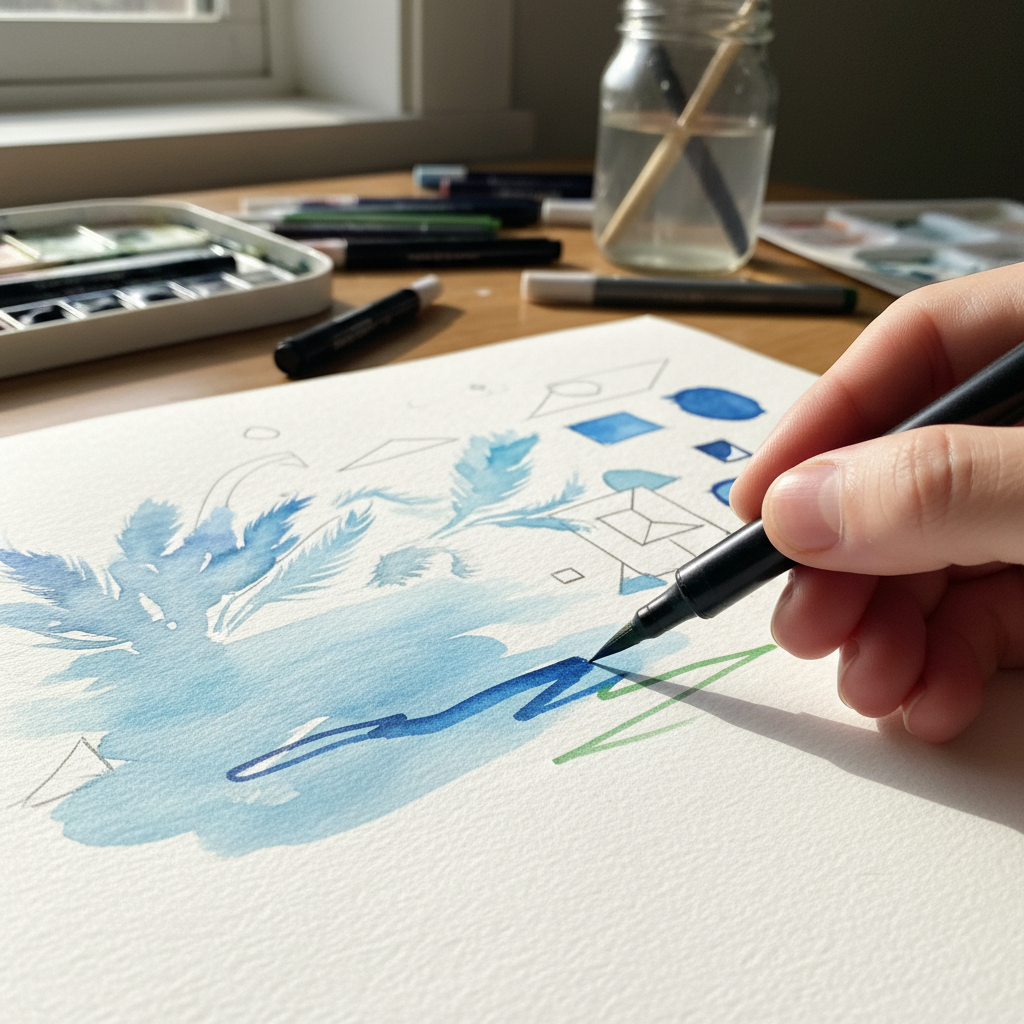
When it comes to choosing watercolor pens, artists often find themselves at a crossroads between soft head and hard head options. A recent survey by the Art Materials Manufacturers Association (AMMA) revealed that 68% of artists prefer soft head watercolor pens for their versatility and the flexibility they offer in creating diverse strokes. Soft head pens allow for a range of techniques, from delicate washes to bold lines, making them ideal for artists who desire a broader expression in their work.
On the other hand, hard head watercolor pens, while great for precision and fine detail, can sometimes limit the artist's ability to blend colors seamlessly. According to a study published in the Journal of Art Education, 73% of watercolor enthusiasts agreed that soft head pens contribute significantly to the layering techniques that are fundamental to watercolor painting. The ability to produce softer edges and create various textures with a soft head pen enhances the overall quality of the artwork, making them an essential tool in any artist's toolkit.
Essential Tips for Maintaining and Using Soft Head Watercolor Pens
Soft head watercolor pens are a versatile tool that can enhance an artist's creative process. To maximize their potential, it’s crucial to maintain them properly. The Professional Art Materials Association (PAMA) reports that 72% of artists believe proper tool maintenance plays a significant role in the outcome of their artwork. Regular cleaning is essential; rinsing the brush tips with clean water after each use prevents color buildup and preserves their shape. This practice not only prolongs the lifespan of the pens but also ensures the richness of colors remains consistent.
When using soft head watercolor pens, controlling water flow is key for achieving desired effects. According to a survey conducted by the Art Supply Retailers Association (ASRA), 65% of artists prefer working with water brush pens as they allow for fluid blending and layering techniques. It's advised to experiment with varying levels of water to see how pigment behaves on different types of paper. Incorporating these tips into your routine will ensure your soft head watercolor pens remain in optimal condition, allowing you to explore the full range of their artistic potential.