How to Choose the Best Refillable Water Brush Pen for Your Art Projects
In the realm of art supplies, the choice of tools significantly influences the creative process and final outcomes. The Refillable Water Brush Pen has emerged as a pivotal instrument for artists, allowing for fluid control and versatile application of water-based mediums. According to a recent market research report by Art Supply Insights, the global market for watercolor tools, including refillable water brush pens, is projected to grow by 8% annually, reflecting a rising interest among both amateur and professional artists in water-based techniques.
As noted by industry expert Dr. Emily Hartman, "The versatility and convenience of refillable water brush pens have transformed the way artists approach watercolor painting, enabling them to explore new depths of creativity." With numerous options available, selecting the best refillable water brush pen for your art projects can be daunting. Factors such as brush tip shape, refill mechanism, and overall ergonomics play crucial roles in ensuring that artists can express their visions effectively while enjoying the process. Understanding these elements not only aids in choosing the right tool but also enhances the art-making experience, leading to more fulfilling artistic endeavors.
Understanding the Basics of Refillable Water Brush Pens
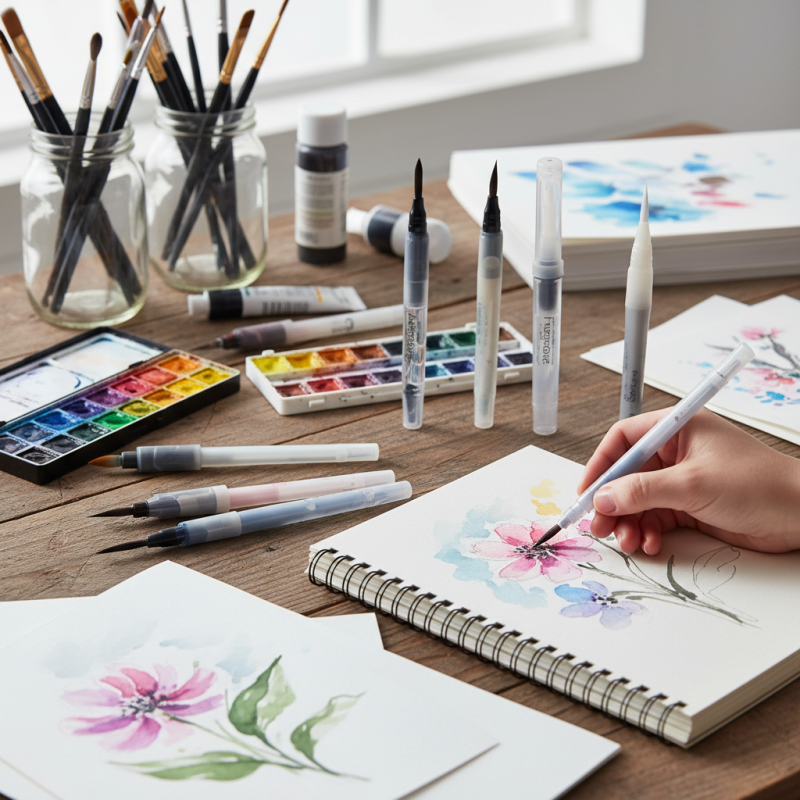
Refillable water brush pens are essential tools for artists who want to create fluid and vibrant watercolor effects without the need for traditional brushes and water containers. At their core, these pens consist of a reservoir for water or diluted paint and a brush tip. The design allows for convenient application, making them perfect for sketching on the go or for use in urban environments. Understanding how these pens work is crucial for selecting the best one for your art projects.
When using a refillable water brush pen, the flow of liquid can be controlled by gently squeezing the barrel, which sends water through the bristles. This ability to regulate the water supply is invaluable for achieving different techniques, such as washes and gradients. Additionally, the brush tips come in various shapes and sizes, allowing artists to experiment with different strokes and effects, much like using traditional brushes. When choosing a water brush pen, consider the firmness of the brush tip and the ease of refilling, as these features will significantly affect your overall experience and the quality of your artwork.
How to Choose the Best Refillable Water Brush Pen for Your Art Projects
| Feature |
Description |
Importance |
| Nib Size |
Various sizes available (fine, medium, broad) |
Different sizes for different techniques and details |
| Material |
Commonly made from nylon, synthetic fibers, or brush hair |
Impacts the fluidity and precision of strokes |
| Refill Mechanism |
Screw-on, twist, or plunger styles |
Ease of use during art creation |
| Capacity |
Volume of water or ink the pen can hold |
Determines how long you can work without refilling |
| Grip Design |
Ergonomic or textured grips |
Improves comfort during longer sessions |
| Versatility |
Can be used with watercolors, inks, or mixed media |
Enhances creativity with various art forms |
| Price |
Varies widely based on brand and features |
Budget considerations for artists |
Key Features to Consider When Selecting a Water Brush Pen
When selecting a refillable water brush pen for your art projects, it is crucial to consider several key features to ensure that you choose one that meets your creative needs. First and foremost, look into the brush tip type—soft or firm. A survey conducted by the Art Supply Manufacturers Association indicates that over 60% of artists prefer soft brush tips for watercolor projects, as they allow for greater fluidity and blending. Additionally, the size of the brush tip can significantly affect your control and detail work; larger tips are ideal for broad washes, while smaller tips work better for fine details.
Another essential factor to consider is the body design of the water brush pen. Pens with an ergonomic grip are reported to reduce hand fatigue during extended use, a critical consideration for artists who engage in long painting sessions. Moreover, the fill mechanism is vital—ensure the pen has a system that allows for easy and mess-free refilling, as artists often prefer quick transitions between colors without the hassle of needing additional tools.
Tips: When testing brush pens, consider doing so on different types of watercolor paper to evaluate performance, as the texture can significantly impact the application. Also, experiment with varying water levels in your reservoir to see how it affects the brush's flow and saturation. Make a note of what works best for your individual style, as finding the right balance can enhance your overall enjoyment and the quality of your artwork.
Comparing Different Types of Refillable Water Brush Pens
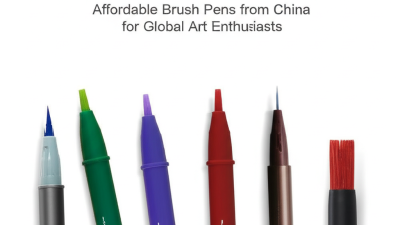
When selecting a refillable water brush pen for your art projects, it’s essential to understand the various types available. Water brush pens typically come in three main shapes: flat, round, and angled. Flat brushes are ideal for creating broad strokes and filling in large areas of color, making them suitable for landscape painting or backgrounds. Round brushes, however, are versatile, offering the ability to produce fine lines and detailed work, which is perfect for illustrations and fine art. Angled brush pens provide a unique edge for special techniques, allowing for both detailed and broader strokes, giving artists the flexibility to explore different styles.
Furthermore, the nib material can impact your experience with these pens. Generally, water brush pens use either nylon or synthetic bristles. Nylon brushes are often more durable and can withstand repeated use, while synthetic bristles offer a softer touch that can create smoother, more blended effects on paper. The reservoir size is another crucial factor; larger reservoirs reduce the frequency of refilling, which can be beneficial during lengthy sessions, whereas smaller reservoirs can facilitate more controlled usage for detailed works. By considering these types and materials, artists can find the refillable water brush pen that best suits their techniques and project requirements.
Tips for Maintaining and Refilling Your Water Brush Pen
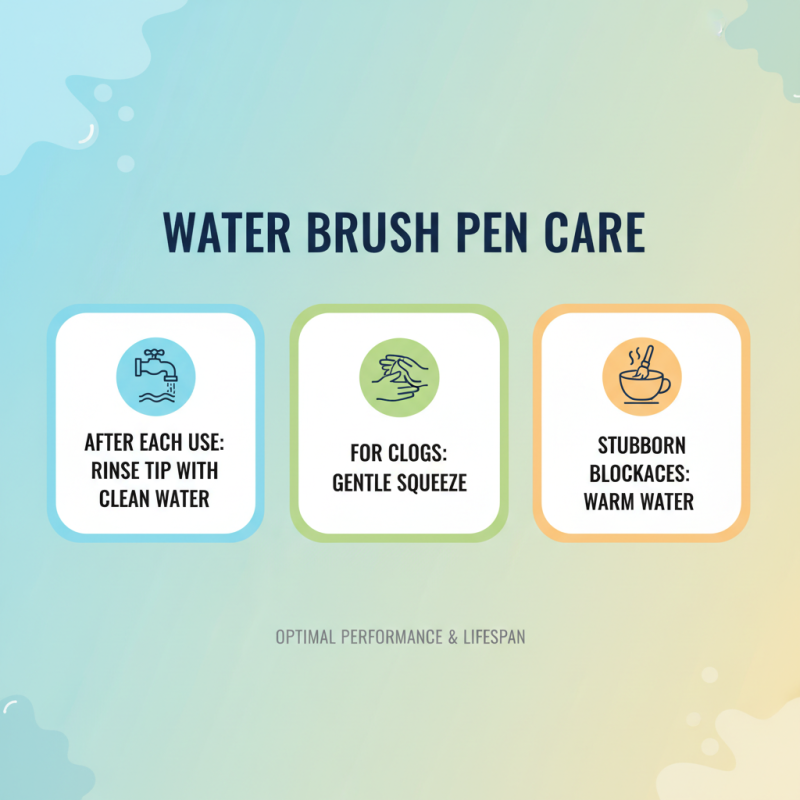
When it comes to maintaining your refillable water brush pen, one of the key aspects is regular cleaning. After each use, it’s essential to rinse the brush tip thoroughly with clean water to prevent any paint residue from drying inside. This ensures optimal performance and extends the lifespan of the pen. If the brush becomes clogged, a gentle squeeze will push the water through, but for more stubborn blockages, soaking the tip in warm water for a few minutes can help loosen any dried pigment.
Refilling your water brush pen is another critical point to consider for effective usage. Choose a suitable liquid, such as water or a diluted ink solution, to avoid damaging the pen. Carefully unscrew the body of the pen, fill it with the chosen liquid, and make sure not to overfill as that can lead to leaks. After refilling, reassemble the pen and store it horizontally to prevent any unwanted drips or spills. Keeping a consistent refilling routine can help you maintain the pen’s functionality and ensure that your artistic flow remains uninterrupted.
Popular Brands and Models of Refillable Water Brush Pens
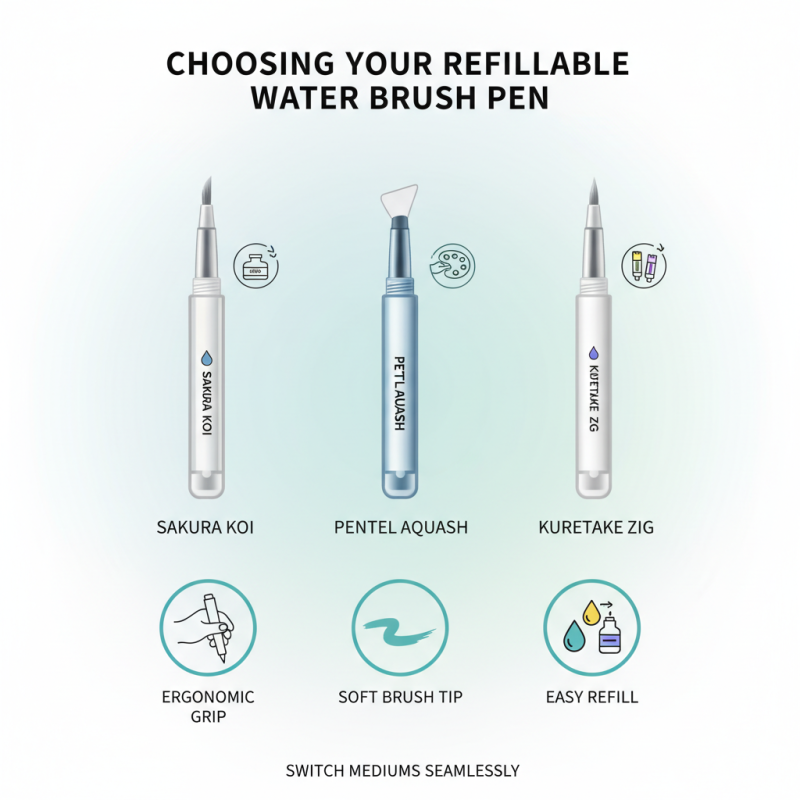
When searching for the perfect refillable water brush pen for your art projects, it's essential to consider the various popular brands and models available. Many manufacturers have developed their versions of water brush pens that boast different features to cater to the diverse needs of artists. When selecting a model, look for one that has a comfortable grip and a soft brush tip, as this will greatly influence your painting experience. Additionally, the refillable feature should allow for easy access to both water and ink, enabling you to switch between mediums without hassle.
Many artists gravitate towards models that offer a variety of brush tip sizes, allowing for greater versatility in their work. The ability to achieve fine details as well as broad strokes is often a deciding factor in choosing a water brush pen. Furthermore, consider the construction quality of the pen, as a robust design will better withstand the wear and tear of regular use. Artists should also pay attention to user feedback and reviews on various models, as these insights can help determine which pens deliver consistent performance and ease of use over time.