How to Choose the Best Pen Eraser for Your Business
Choosing the Best Pen Eraser for Your Business requires more than comparing prices. A purchasing manager must examine correction quality, paper safety, durability, packaging, and repeat-order reliability. A cheap eraser can leave gray smears on invoices, tear thin notebook paper, or crumble inside a retail display. Small defects become expensive when customers return products.
Grand View Research’s Stationery Products Market analysis identifies stationery as a broad, expanding category, while Research and Markets’ writing-instruments coverage shows continuing demand for practical writing accessories. However, these reports usually group erasers with larger stationery segments. They rarely isolate pen erasers. That limitation matters. It means buyers should combine market data with product testing, supplier audits, and customer feedback.
W. Edwards Deming’s quality principle remains relevant: “Without data, you’re just another person with an opinion.” For a Best Pen Eraser, useful data includes removal efficiency, residue weight, breakage rates, shelf life, and performance across ballpoint, gel, and graphite marks. Test one eraser on recycled paper, coated paper, and a standard office form. Watch the surface closely. Does it shine, pill, or tear?
The strongest choice may not be the softest or cheapest model. It may offer balanced friction, clean results, safe materials, and dependable supply. Experience can reveal what spreadsheets miss. Still, supplier claims require verification. Ask for material specifications, quality records, sample batches, and consistent packaging dimensions. A thoughtful decision protects margins and the customer’s writing surface. That is the real measure of value.
Understanding Pen Eraser Types and Their Business Uses
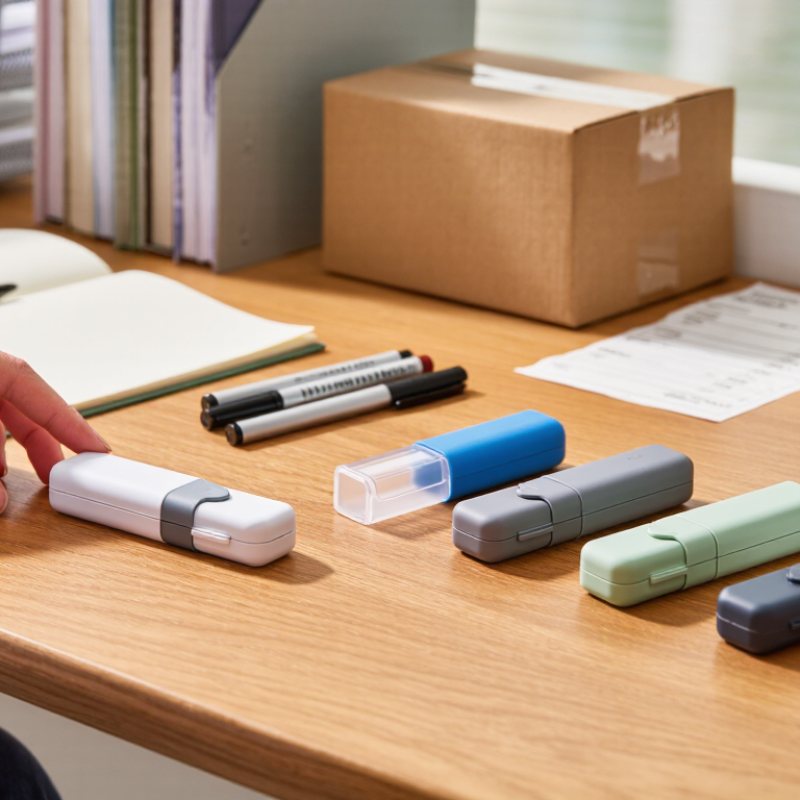
Choosing a pen eraser starts with understanding how each type behaves on paper. Abrasive stick erasers remove graphite by wearing away a thin surface layer. They suit drafting teams, architects, and technical classrooms where accuracy matters. Precision pen erasers have narrow tips, making them useful for editing small letters, figures, and diagram lines. Refillable models can reduce waste during frequent office use.
For general paperwork, select a softer polymer eraser with a controlled tip. It lifts graphite with less paper damage, especially on thin forms or repeated corrections. Abrasive types work better on dense marks, but they may leave rough spots or pale scratches. Test both types on the actual paper used in your business. Paper weight changes performance more than many buyers expect.
Check grip comfort, tip stability, replacement availability, and eraser hardness. A busy design office may value a durable metal sleeve, while a school supplier may need safe, simple handling. Review dust production too. Excess dust can slow document preparation and irritate some users. Do not judge quality by appearance alone. A polished barrel can hide a weak mechanism. One practical trial is often more reliable than a long specification sheet. No choice is perfect. Even a well-matched eraser can fail when users press too hard, so brief handling guidance still matters.
Assessing Eraser Quality, Precision, and Material Compatibility
Choosing the best pen eraser for your business starts with testing, not packaging claims.
In daily drafting work, eraser quality appears through clean removal, controlled friction, and consistent results. A reliable eraser should lift graphite without tearing fibers or leaving a greasy film. Examine its texture, firmness, and edge stability after repeated strokes.
Too soft? It may crumble quickly. Too hard? It can polish paper and make corrections visible.
Precision matters when staff correct small figures, lettering, or technical lines. Select a narrow tip that stays stable under light pressure. Check whether the holder flexes, twists, or blocks the working view.
During trials, erase a single mark beside printed text, ruled lines, and fine drawings. Measure the remaining shadow under bright light. Small residue can matter in scanned documents.
I once favored the cleanest sample, then noticed its tip wore unevenly. That mistake changed my testing method.
Material compatibility deserves equal attention. Standard graphite erasers may behave poorly on colored pencil, waxy media, or coated paper. Test each eraser on the surfaces your team actually uses. Watch for smearing, surface gloss, discoloration, and heat from repeated rubbing. Some compounds feel smooth but release crumbs that enter keyboards or binders. Ask suppliers for material data and batch consistency records. Independent sample checks add credibility, especially for bulk purchasing. Keep a simple log with paper type, mark type, pressure, strokes, and damage. Results become more trustworthy when another employee repeats the test.
Comparing Costs, Packaging Options, and Supplier Reliability
How to Choose the Best Pen Eraser for Your Business
Comparing Costs, Packaging Options, and Supplier Reliability
A pen eraser may look inexpensive, but small price differences can affect large orders. Compare the unit price, mold charges, printing fees, and shipping costs together. A low quotation may exclude individual wrapping or export cartons. Request a sample before approving production. Test the eraser on ordinary paper, coated paper, and darker ink. Check whether it removes marks cleanly without tearing the page.
Packaging also changes your real cost. Individual plastic sleeves protect products but create more handling and disposal concerns. Small cardboard boxes look professional and stack well, though they often increase freight volume. For classroom or office distribution, bundled packs may reduce labor. Ask for exact dimensions, pack quantities, carton weight, and pallet details. I once selected compact packaging that reduced storage space, but its thin seals failed during humid shipping. That mistake was avoidable.
Supplier reliability requires more than a friendly sales reply. Review sample consistency, production lead times, inspection procedures, and replacement terms. Ask how the supplier handles color variation or damaged cartons. A written production schedule helps, especially before seasonal demand. Confirm payment stages and shipping documents in advance. Keep a small backup supplier under evaluation. It adds work. Still, it may protect your delivery plan when the main factory faces delays. My own checks are not perfect; I sometimes focus too heavily on price. A simple comparison sheet helps reveal the overlooked costs.
How to Choose the Best Pen Eraser for Your Business - Comparing Costs, Packaging Options, and Supplier Reliability
Checking Safety Standards, Durability, and User Convenience
How to Choose the Best Pen Eraser for Your Business
Safety should guide every pen eraser purchase. Ask suppliers for material details, safety test reports, and clear product specifications. Check whether the eraser and casing meet the requirements of your target market. Avoid products with strong odors, loose parts, or unclear labeling. A small classroom test can reveal dust, sharp edges, or difficult movement. These details matter when employees, students, or customers use the product daily.
Durability also protects your budget. Test the eraser on different paper types, including rough notebooks and smooth office sheets. Observe how quickly it wears down and whether the tip stays stable. A firm clip and well-fitted cap can prevent damage during storage. I once focused too much on low unit cost. The erasers wore out quickly, creating more waste and replacement work. That experience changed my purchasing checklist. Convenience deserves equal attention. Choose a comfortable grip, controlled erasing action, and an easy-to-replace core when available.
Tips: Request samples before placing a large order. Use them for one week. Ask several users for honest feedback. Check whether the eraser leaves crumbs, smudges, or paper marks. Keep records of breakage and replacement rates. Do not rely only on attractive packaging. A simple design may perform better. Some testing methods can still miss long-term problems, so review results after regular use.
Selecting the Best Pen Eraser for Your Business Needs
Choosing the best pen eraser for your business starts with the work your team actually performs. A drafting office may need precise correction, while a classroom supplier may value comfort and safe handling. Watch how users hold the tool, how often they erase, and which paper surfaces they use. These small details affect purchasing decisions.
During product testing, compare the eraser tip, grip, refill system, and correction quality. A narrow tip can remove one letter without disturbing nearby lines. A softer tip may work faster but leave more residue. Test the tip. Check whether the casing cracks after repeated use. Feel matters. Workers often prefer a balanced pen eraser during long sessions, even when a cheaper option appears attractive.
Reliable sourcing also requires practical evidence. Request material information, quality records, and sample units before placing a large order. Measure breakage, residue, and user complaints over several weeks. Do not judge performance from one sample. That surprised me in testing. One model erased cleanly on smooth paper but performed poorly on recycled sheets. I would also reconsider color and packaging choices, because visual appeal can distract from weak durability. A dependable supplier should answer clearly about production consistency, replacement parts, and inspection procedures. Your final choice should match real working conditions, not just a polished product photograph.