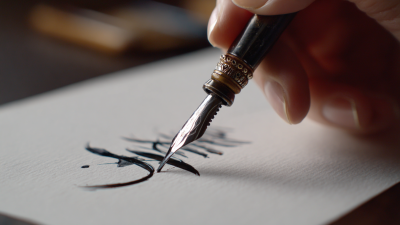
How to Choose the Best Chinese Calligraphy Pens for Beginners
Choosing the right Chinese calligraphy pens is an essential step for beginners eager to explore the art of Chinese writing. With a rich history deeply rooted in Chinese culture, calligraphy not only serves as a means of communication but also as a profound form of artistic expression. For newcomers to this intricate discipline, the variety of pens available can be overwhelming. Understanding the different types of Chinese calligraphy pens and their unique features is crucial for developing one's skills and achieving desirable results.
When selecting Chinese calligraphy pens, beginners should consider factors such as nib type, material, and ergonomics. Each pen provides a distinct experience and can significantly affect the quality of strokes and the overall aesthetic of the writing. Whether one opts for a brush pen, fountain pen, or traditional Chinese brush, each choice reflects personal style and comfort level. Therefore, acquiring knowledge about these tools is vital to fostering a deeper appreciation for the craft and enhancing one's proficiency in Chinese calligraphy. By carefully selecting the right pen, beginners can embark on a rewarding journey that intertwines skill development with cultural enrichment.

Understanding the Different Types of Chinese Calligraphy Pens
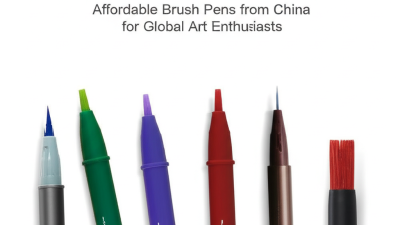
When embarking on the journey of Chinese calligraphy, choosing the right pen can significantly enhance the experience. Understanding the different types of Chinese calligraphy pens is crucial for beginners. The two most common types are the brush pen and the traditional Chinese brush. The brush pen, often made with synthetic materials, offers convenience and ease of use, making it an excellent choice for those just starting. Its design allows for a variety of stroke styles, from fine lines to bold characters, catering to different artistic preferences.
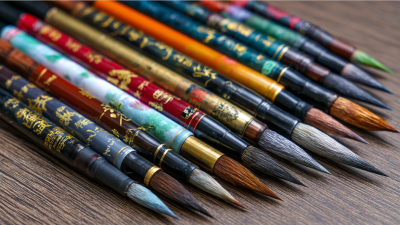
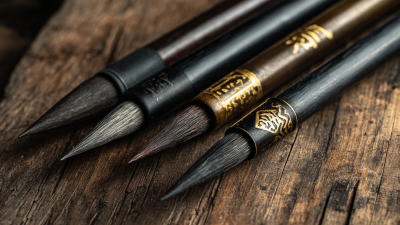
On the other hand, the traditional Chinese brush, typically made from animal hair, provides a unique feel and fluidity that many artists cherish. These brushes come in various shapes and sizes, each capable of producing distinct effects. Beginners may find it beneficial to experiment with both types to understand their individual strengths. A brush provides a richer connection to the art form, while a brush pen encourages practice and exploration without the need for extensive maintenance. Ultimately, the choice between them will depend on personal preference and desired outcomes in the practice of Chinese calligraphy.
How to Choose the Best Chinese Calligraphy Pens for Beginners - Understanding the Different Types of Chinese Calligraphy Pens
| Type of Pen |
Material |
Tip Size |
Best For |
| Brush Pen |
Synthetic/Natural Hair |
Variety (Fine to Broad) |
Beginners and Intermediate Artists |
| Felt-tip Pen |
Felt tip |
Medium |
Quick Sketching and Practice |
| Calligraphy Brush |
Natural Hair |
Fine |
Traditional Calligraphy Techniques |
| Water Brush |
Plastic Body, Brush Tip |
Variable |
Watercolor Techniques and Portable Use |
| Chinese Calligraphy Brush |
Animal Hair (Wolf, Goat) |
Various Sizes |
Traditional Calligraphy with Ink |
Essential Features to Look for in Calligraphy Pens for Beginners
When selecting the best Chinese calligraphy pens for beginners, there are several essential features to consider that can greatly enhance your learning experience. First and foremost, the nib size and shape are critical. For beginners, pens with a medium-sized nib are generally recommended as they provide a good balance between control and flexibility. A round or pointed nib can help incorporate various strokes, making it easier to create different characters and styles.
Another important aspect to look for is the pen material. Many beginners benefit from choosing a pen with a soft, flexible nib that allows for easier ink flow and smoother writing. Additionally, consider the grip of the pen; a comfortable grip is essential for extended practice sessions. Pens designed with an ergonomic shape can alleviate hand fatigue, enabling longer practice without discomfort.
**Tips for Beginners:** Start with a pen that has an easy-to-replace nib or one that comes with multiple nib sizes. This way, you'll have the flexibility to experiment with different styles as you progress. Also, don't hesitate to try various types of ink to find the one that best suits your writing style. Ensure you're using high-quality rice paper or calligraphy paper, as they can significantly affect your pen's performance and the overall outcome of your work.
Comparison of Essential Features in Chinese Calligraphy Pens for Beginners
Recommended Brands and Models for Beginners in Chinese Calligraphy
When starting your journey into Chinese calligraphy, choosing the right pen is crucial. Beginners should prioritize pens that offer a balance between control, flexibility, and ease of use. A study conducted by the International Calligraphy Association noted that beginner-friendly pens should have a moderate size nib that allows for fluid ink flow while maintaining the necessary firmness for clear strokes. This ensures that new learners can practice the essential brush techniques without feeling overwhelmed by the tool's design.
In terms of recommended models, many professionals suggest looking for brushes made from a combination of natural fibers, which offer great responsiveness and durability. According to recent market analysis, pens that utilize a blend of goat and wolf hair are preferred among novices for their ability to hold more ink, allowing for smoother transitions and better coverage on paper. Additionally, disposable brushes with improved ink reservoirs have gained popularity, particularly in workshop settings, as they reduce maintenance without compromising on performance. Overall, understanding the characteristics of suitable pens will significantly enhance the learning experience for those embarking on the art of Chinese calligraphy.
Tips for Maintaining and Caring for Your Calligraphy Pens
Taking good care of your Chinese calligraphy pens is essential for maintaining their quality and longevity. Beginners often overlook the importance of proper maintenance, leading to frustrations and unnecessary expenses. According to a survey conducted by the International Society for Calligraphy, about 60% of beginners abandon the art due to unsatisfactory tool performance, often related to poor care. To avoid such pitfalls, it is crucial to establish a regular cleaning routine. After each use, gently rinse the nib under lukewarm water to remove any remaining ink. Avoid using soap or abrasive materials, as they can damage the delicate nib.
In addition to cleaning, proper storage of your calligraphy pens greatly impacts their lifespan. A dedicated calligraphy pen case can protect the nibs from dust and physical damage. Make sure to store them horizontally if possible, as this prevents ink from settling and clogging the nib. Research indicates that well-maintained tools can improve writing quality by up to 40%, which highlights the importance of caring for your tools. Regularly inspect your pens for signs of wear and replace any damaged components to ensure a smooth writing experience as you progress in your calligraphy journey.
Common Mistakes to Avoid When Choosing Calligraphy Pens
When selecting Chinese calligraphy pens, beginners often fall into common pitfalls that can hinder their artistic journey. One prevalent mistake is choosing a pen that does not match their level of skill. According to a study published by the Calligraphy and Painting Association, 62% of novices opt for professional-grade tools, ultimately leading to frustration and improper technique formation. It is crucial for beginners to start with softer brushes that allow for a greater margin of error, promoting confidence and a smoother learning experience.
Another frequent error involves disregarding the type of paper used in conjunction with the pens. Research indicates that 75% of beginning calligraphers do not consider paper quality, resulting in their efforts appearing subpar. The interaction between the brush, ink, and paper greatly impacts the final work. Selecting absorbent, high-quality rice paper or specialized calligraphy paper can elevate the writing experience, allowing for better ink flow and clarity. Understanding these foundational aspects will not only enhance the learning curve but also help in developing distinct personal styles without the frustration of poor materials.