2026 Best Water Color Pen Brush Options for Artists?
Artists worldwide are increasingly embracing the versatility of the Water Color Pen Brush. According to a recent industry report by Statista, the global art supplies market is projected to reach $43 billion by 2026. This growth signifies a rising interest in mediums like watercolor, especially among emerging artists.
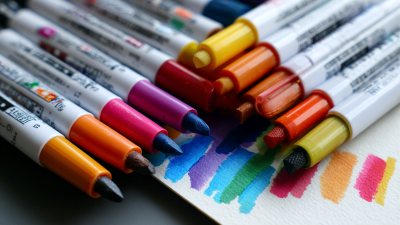
Water color pen brushes are becoming favorites for their ease of use and vibrant results. Many professional and amateur artists find these tools ideal for creating fluid textures and intricate details. However, not all options on the market deliver the expected quality. Some can disappoint with inconsistency in ink flow or color saturation.
Identifying the best water color pen brush requires attention to various factors. While popular brands may promise excellence, it’s essential to test them personally. Different styles and techniques may suit different needs. Finding your perfect match may involve some trial and error. This exploration can not only refine skills but also lead to deeper artistic satisfaction.
Essential Features to Look for in Water Color Pen Brushes
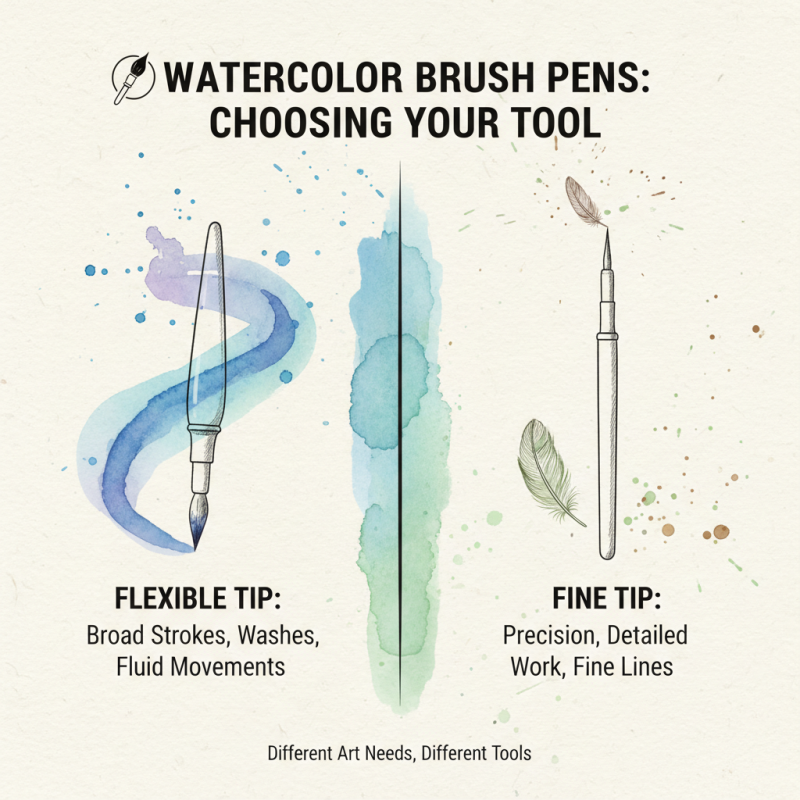
When choosing watercolor pen brushes, several features can enhance your artistic experience. A good brush should have a flexible tip for precision. This allows for fine lines and broader strokes. Look for brushes that hold a decent amount of water. This helps achieve a variety of washes and blends without constant reloading.
Another essential feature is the comfort of the handle. Brushes with ergonomic grips prevent hand fatigue during long sessions. Different sizes of brush tips are also valuable. This versatility allows for more dynamic artwork. Don't overlook how easily the brush can be cleaned. A simple rinse can save time and maintain its quality.
Tip: Always test the brush on scrap paper before starting your artwork. It helps you understand the flow and color intensity. Remember, not every brush works for every technique. Experimentation is key. Keep practicing and find your unique style, even if it feels imperfect at times. Embrace those moments. They often lead to the best discoveries in your art.
2026 Best Water Color Pen Brush Options for Artists
| Feature |
Description |
Pros |
Cons |
| Brush Tip |
Flexible brush tip allows for a variety of stroke styles. |
Versatile usage, great for detailing. |
May wear out with heavy use. |
| Water Solubility |
Easily mixes with water for blending. |
Ideal for creating washes and gradients. |
Requires careful use to avoid over-saturating paper. |
| Color Range |
Available in a wide spectrum of colors. |
Allows for vibrant and varied artwork. |
Some colors may be limited in specific brands. |
| Durability |
Constructed to withstand regular use. |
Long-lasting for frequent artists. |
Can be prone to damage if not handled correctly. |
| Ease of Use |
Designed for both beginners and professionals. |
User-friendly design promotes confidence. |
Learning curve for achieving desired effects. |
Top Brands of Water Color Pen Brushes for Artists
When exploring the world of watercolor pen brushes, artists encounter many options. Each brand brings unique features and styles. Some pens offer hard tips, creating fine lines, while others have soft bristles for blending. Finding the right combination can transform an artwork. Consider how a brush feels in hand. Weight matters, as does grip comfort. An artist's style influences their choice.
Watercolor pen brushes vary in ink flow. Some brands provide consistent color saturation, while others may skip or leave uneven marks. It's essential to test different brushes before committing to a purchase. Artists often share experiences, noting which brushes inspire them. Many find joy in experimenting. However, choosing based solely on popularity can lead to disappointment. Each artist's needs are distinct.
Experimentation often leads to imperfections in technique. These moments can spark creativity. The blend of colors may not always turn out as intended. Embracing unexpected outcomes leads to growth. The journey of finding ideal watercolor tools is continuous. Each brush tells a story, inspiring countless creations.
Techniques for Using Water Color Pen Brushes Effectively
Using watercolor pen brushes can elevate your art. However, mastering their techniques takes practice. Start with clean, wet paper. This helps colors blend smoothly. Utilize a light touch to create delicate lines and shapes. Experiment with pressure to achieve varying thickness. It's fascinating how a slight change in grip alters the outcome.
Mixing colors is another vital technique. First, use a palette for your mixes. This allows for better control over the hues. Don't rush; let the water work its magic. You might find that some combinations lead to unexpected, beautiful results. On the other hand, some mixes can turn muddy if applied hastily. It’s okay to make mistakes; every artist learns from them.
Layering is crucial as well. Begin with lighter colors and build up. This adds depth and richness to your work. Watch for over-saturation; too much water can ruin the texture. Allow drying time between layers. This can be frustrating, but patience often results in more vibrant pieces. Embrace the imperfections. They often tell a story that perfection cannot.
Maintenance Tips for Prolonging the Life of Water Color Pen Brushes
Proper maintenance of watercolor pen brushes is essential for artists. Cleaning them right after use helps prevent paint from drying on the bristles. Use lukewarm water and a gentle soap to rinse the tips. Work the bristles gently to remove any pigment residue. You might notice stubborn spots that refuse to wash out completely. Don’t get frustrated; just keep rinsing.
After cleaning, reshape the bristles to their original form. Store the brushes in a vertical position to avoid damaging the tips. It’s tempting to toss them in a drawer, but that can lead to bent or frayed bristles. Prolonging the life of brushes sometimes feels like a chore. Mistakes happen, and brushes can get mishandled. During art sessions, remember to handle your tools with care. Regularly inspect your brushes for any signs of wear or damage.
Using the right technique can also make a difference. Practice holding the brush softly, as excessive pressure can wear it down quickly. Experiment with different watercolor applications, but avoid overloading the brush with paint. Every artist has their unique style, and it’s okay to learn through trial and error. Embrace the imperfections that come with practice, as they often lead to personal growth in your artistry.