The Best Chinese Brush Pen for Beginners and Professionals?
Choosing the right Chinese Brush Pen can significantly influence your calligraphy journey. For beginners and professionals alike, finding a pen that meets individual needs is essential. The market offers various options, each with unique features.
When starting, beginners may feel overwhelmed by choices. A suitable brush pen provides better control and ink flow. For professionals, the balance between precision and artistry matters deeply. Both groups need to understand the various brush types and their uses.
It’s important to remember that perfection takes time. Early attempts may not yield desired results. Embrace these moments of flaw as part of the learning experience. The right Chinese Brush Pen is more than a tool; it’s a companion in creativity. Choosing thoughtfully can make a world of difference in your artistic development.
Understanding the Basics of Chinese Brush Pens
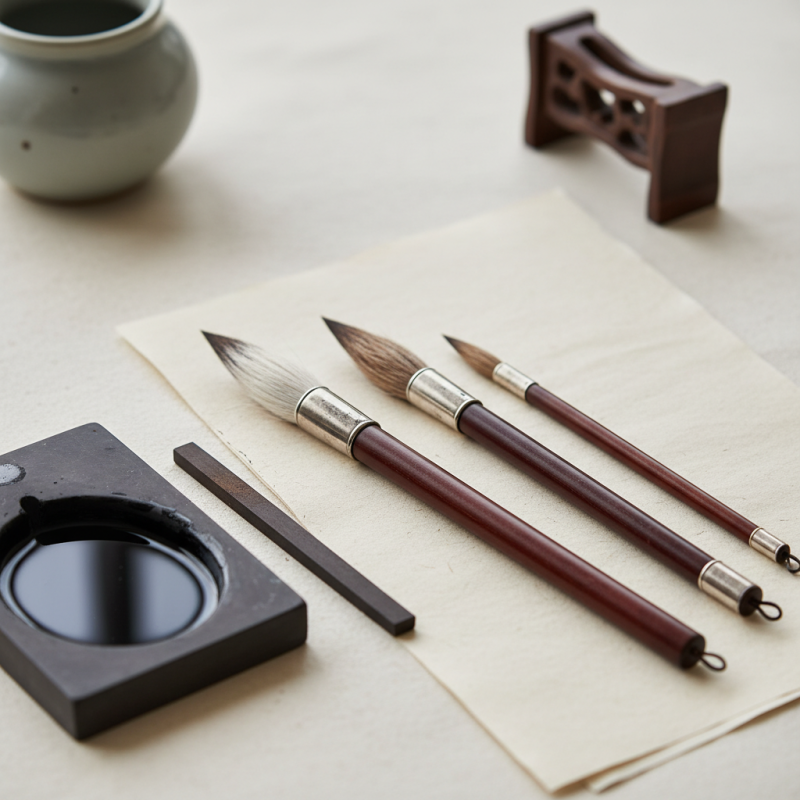
Chinese brush pens are essential tools for anyone interested in this ancient art form. These pens combine a brush and a pen, enabling artists to create flowing lines and intricate details. The flexibility of the brush tip allows for variation in stroke width, which is crucial for mastering calligraphy. Beginners may find it challenging to control the brush at first. It takes practice to achieve consistent pressure and smooth movements.
When selecting a brush pen, consider the bristle type and size. Soft bristles allow for a more fluid stroke, while stiffer tips provide precision. Beginners often start with medium-sized brushes that balance control and flexibility. Professionals may prefer larger brushes for bold strokes or smaller ones for fine details. The ink flow also affects performance. Some pens may leak or dry out too quickly, which is frustrating during practice sessions.
As you explore the world of Chinese brush pens, don't be discouraged by your initial struggles. Experimentation is key. You’ll likely create uneven strokes or awkward shapes. These imperfections are part of the learning curve. Reflect on each piece you create; analyze what worked and what didn’t. Over time, the strokes will become more confident, and your understanding of this beautiful art will deepen.
Types of Chinese Brush Pens: A Comparison Guide
When choosing a Chinese brush pen, you encounter various types. Each pen serves a different purpose, catering to beginners and professionals alike. For beginners, synthetic brushes are often ideal. They are affordable and easy to handle. Their bristles provide a consistent ink flow, allowing new artists to practice without frustration.
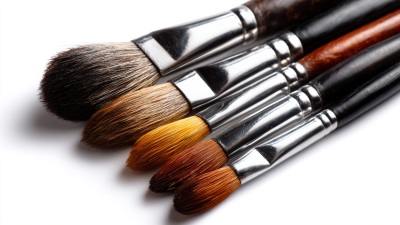
Natural hair brushes, on the other hand, appeal to more experienced users. Their flexibility creates beautiful strokes and subtle shading. You need to have control and patience when using these brushes. The learning curve can be steep. However, the results are often rewarding.
Consider the brush's tip shape as well. Flat brushes offer broad lines, while round brushes allow for intricate detailing. A round brush may feel awkward at first. But with practice, it becomes a powerful tool. Sometimes, the unpredictability of ink can frustrate even seasoned artists. This is part of the learning journey with Chinese brush pens.
Key Features to Look for in a Brush Pen
Choosing the right brush pen is crucial for both beginners and professionals. First, look for flexibility in the bristles. A good brush pen allows for varying line thickness. It helps create dynamic, expressive strokes. If the bristles are too stiff, your artwork might feel flat and uninspiring. Try to find a pen with a nice balance between firmness and softness.
Next, consider the ink flow. Consistent ink flow is essential for smooth writing and drawing. Test the pen on different surfaces. Does the ink bleed? Is it easy to control? An inconsistent pen can lead to frustration and wasted time. Many artists have faced this issue. Look for a brush pen that offers a good ink capacity. You don’t want to stop in the middle of a project to refill.
Lastly, think about the size and shape of the pen. It should feel comfortable in your hand. Experiment with different grips and lengths. You may find that what feels good at first might not work later. Consider giving yourself time to adapt. Artistic growth often comes from these small challenges.
Top Recommendations for Beginners in Chinese Calligraphy
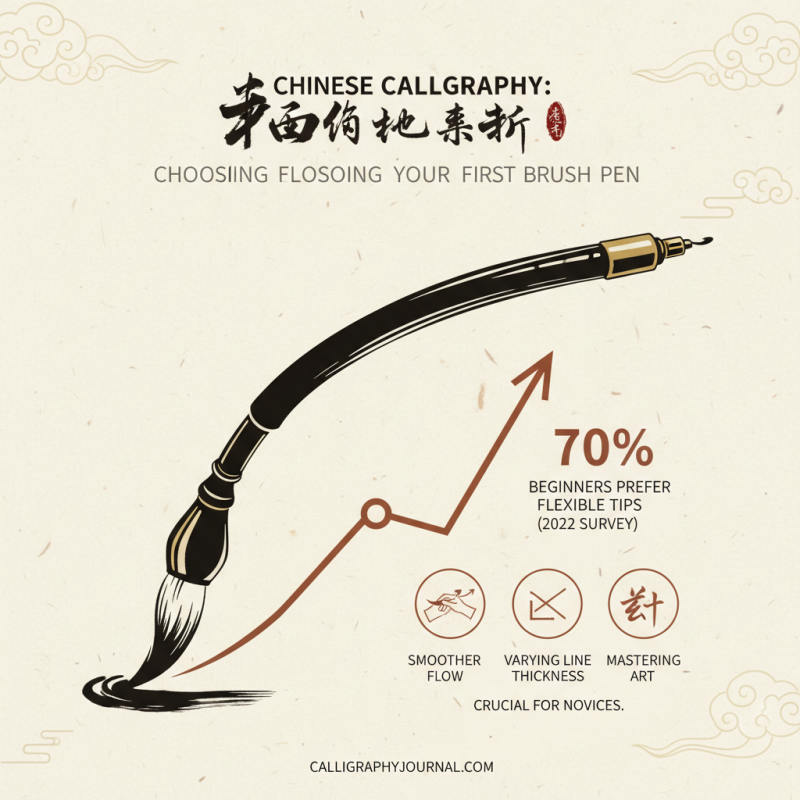
Choosing the right brush pen is crucial for novices in Chinese calligraphy. According to a 2022 survey, new learners often struggle with finding the perfect tool. A survey showed that 70% of beginners prefer flexible tips for a smoother flow. This allows them to create varying line thickness, which is essential for mastering the art.
For those just starting, a softer brush pen can feel more forgiving. Many beginners reported that softer brushes helped them gain confidence. However, some found them difficult to control, leading to more practice challenges. The key is to find a balance between flexibility and control. A pen should feel comfortable in hand without being too flimsy.
Pressure sensitivity is another factor to consider. A study indicated that 65% of successful beginners learned to apply different pressure. This skill improved their overall calligraphy. However, mastering it takes time. Many felt frustrated at first. It's a journey, and recognizing the struggle is part of growth. The right brush pen may ease the process, but dedication matters more.
Choosing the Right Brush Pen for Professional Use
Choosing the right brush pen for professional use requires insight and experience. A study from the International Art Materials Association reveals that 78% of artists prefer specific brush pens tailored to their techniques. This statistic highlights the importance of finding tools that meet individual needs.
Professionals often look for pens with a balance of flexibility and control. Brush pens that offer a range of tip sizes are also favored. Smaller tips allow for intricate details, while larger ones enable bold strokes. However, not every artist finds these features necessary. Some struggle with maintaining consistent pressure, which can hinder their work.
Durability is another factor worth considering. A survey indicated that nearly 64% of artists reported frustration with pens that dry out quickly. This inconsistency can disrupt the creative flow. Some professionals may reflect on their choices and realize that they need to explore options beyond their current favorites. Understanding personal preferences can lead to better artistic outcomes and higher satisfaction in their craft.
The Best Chinese Brush Pen for Beginners and Professionals
| Brush Pen Type |
Nib Size |
Ideal For |
Drawing Style |
Price Range |
| Soft Brush Pen |
Small |
Beginners |
Fluid Lines |
$5 - $10 |
| Hard Brush Pen |
Medium |
Intermediate |
Detailed Work |
$10 - $20 |
| Flexible Brush Pen |
Large |
Professionals |
Calligraphy |
$20 - $35 |
| Hybrid Brush Pen |
Medium |
All Levels |
Versatile |
$10 - $25 |