Top Best Brush Pens for Artists and Calligraphy Enthusiasts What to Choose?
In the vibrant world of art and calligraphy, choosing the Best Brush Pens is essential for both beginners and seasoned artists. Recent industry reports indicate that the brush pen market is projected to grow by approximately 8.5% annually over the next five years. This growth reflects the increasing popularity of hand lettering, journaling, and creative artwork.
However, not all brush pens are created equal. Artists often wrestle with selecting tools that meet their unique needs. A common dilemma is the balance between quality and cost. While expensive brush pens can offer superior performance, many affordable options also deliver impressive results. It's crucial to test different types and styles to find what works best for you.
Additionally, the diversity of brush pen styles—ranging from flexible tips to rigid ones—can overwhelm beginners. Artists often report frustration when a pen doesn’t produce the desired effect. A meticulous approach to experimenting will help artists find their ideal tools and perfect their craft. After all, the right brush pen can truly transform your artistic expression.
Understanding Brush Pens: Key Features and Types for Artists
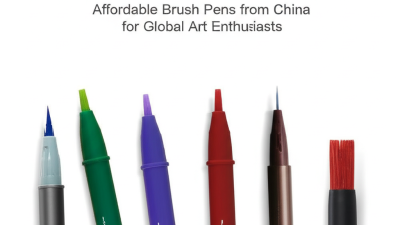
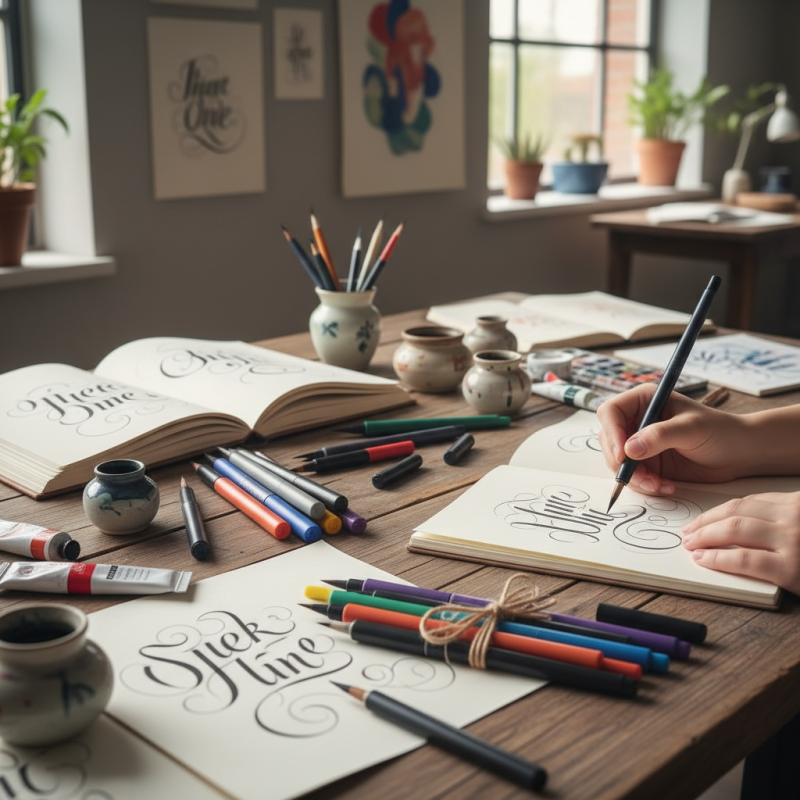
Brush pens are essential tools for artists and calligraphy aficionados. Understanding their features helps in making the right choice. There are various types of brush pens available. Some offer hard tips while others feature soft, flexible bristles. The choice depends on the style one wishes to achieve.
The ink type is also crucial. Water-based inks are vibrant but may bleed. Pigment-based inks offer permanence. They are less prone to fading. An artist must consider paper type too. Some papers absorb ink better, while others may cause smudging. This could lead to imperfections in artwork. It’s essential to test different combinations.
Brush pens require practice. Mastery doesn’t happen overnight. The grip and pressure can affect stroke width. Some artists may struggle with control initially. Over time, improvement is evident. Experimenting with various pen styles and techniques can reveal one's unique artistic voice. Embrace the learning process.
Comparison of Top Brush Pen Brands: Quality and Performance Metrics
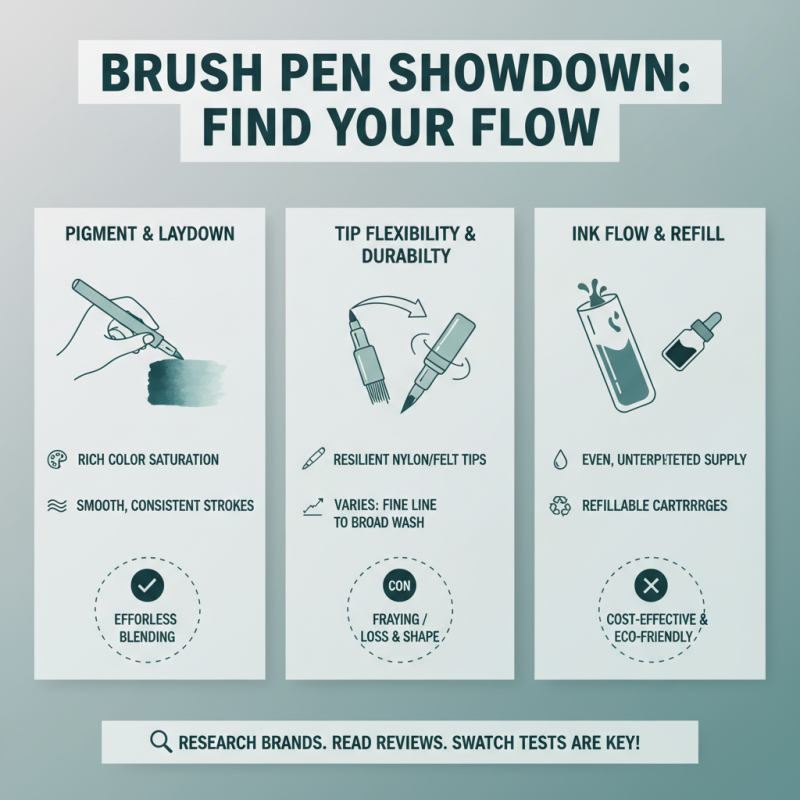
When choosing the right brush pen, artists often compare brands based on quality and performance metrics. The variety of brush pens can be overwhelming. Each brand has its unique features, but not all meet the same standards. Some pens offer rich pigment and smooth application. Others may struggle with consistency.
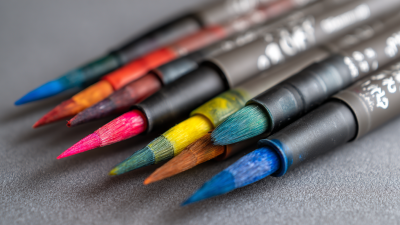
Understanding the brush's bristle type is essential. Some have flexible tips that create dynamic lines. Others are stiffer, which can limit creativity. Artists may find that while one pen works well for lettering, it does not perform as expected for illustrations. The ink flow can vary significantly. A pen might clog easily, frustrating the user.
Testing multiple pens is crucial. Users may face issues like bleeding or uneven colors. Not every brush pen is perfectly suited for every style. Evaluating how a pen feels in the hand can also challenge expectations. Investing time to compare various brands could lead to better artistic expressions. There’s always room for improvement in technique and choice.
Popular Brush Pen Techniques for Calligraphy and Art Creation
Brush pens are versatile tools for both calligraphy and artistic expression. They can create beautiful lines, varying from thick strokes to delicate details. One popular technique is the use of pressure variation, where applying different pressure while writing alters the stroke width. This results in dynamic lettering, giving art pieces a sense of movement. Artists often experiment with how much pressure they apply. A light touch can yield fine lines, while a firmer grip produces bold strokes.
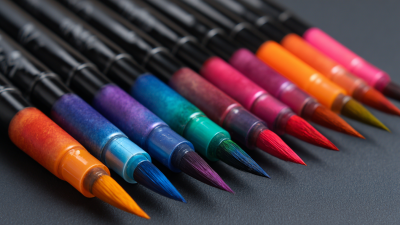
Blending colors with brush pens is another exciting technique. After laying a base color, artists can use a second pen to blend hues smoothly. This method enhances depth in illustrations and calligraphy. However, achieving a flawless gradient can be challenging. It often requires practice and patience to master. Some may find themselves frustrated when colors don’t mix as expected. Embracing these imperfections can lead to unique artistic styles. Use these moments as opportunities for growth, and let them inspire new creations.
Top Best Brush Pens for Artists and Calligraphy Enthusiasts
Factors to Consider When Choosing the Best Brush Pen for Your Needs
When selecting the best brush pen, consider the type of ink.
Water-based inks offer smooth application but may smudge.
Alcohol-based inks dry quickly and resist fading.
According to a report from the International Journal of Art Materials, nearly 45% of artists prefer water-based ink for its blendability and range of colors.
The bristle type is also important. Nylon and polyester bristles offer flexibility. They can create various line thicknesses.
However, natural bristles provide a different texture and feel.
Artists often report a preference for brush pens with soft bristles for calligraphy. About 30% of users find that soft bristles lead to better control and finer details in their artwork.
You should also think about the pen's tip size. A fine tip allows for precise work, while a broad tip enables quick filling and bold strokes.
A study by the Creative Pen Association indicates that 62% of calligraphy enthusiasts use fine-tipped pens for intricate designs.
Many artists find joy in experimenting with both sizes. However, it can lead to frustration if the wrong size is chosen for a specific style.