Best Brush Markers For Coloring What Should You Look For?
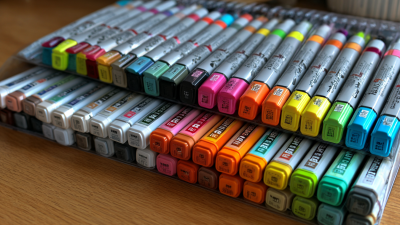
When diving into the world of coloring, choosing the "Best Brush Markers For Coloring" is essential. Brush markers offer flexibility and vibrancy. Each stroke can create textures and depth that other tools may lack. Many artists, both beginners and seasoned, appreciate the control and variety these markers provide.
However, not all brush markers are the same. Some feel too stiff, while others may bleed excessively. Users often find it challenging to locate markers that blend well. Color saturation can vary significantly between brands. It’s frustrating to purchase a set, only to realize they don’t meet expectations. The right markers should bring joy, not disappointment.
Moreover, consider factors such as nib flexibility and ink quality. Review the feedback from fellow artists before making a choice. Sometimes, what works for one person may not work for another. The journey toward finding the best brush markers can be rewarding if approached with curiosity and patience.
Types of Brush Markers Available for Coloring
When exploring brush markers for coloring, it’s essential to understand the types available. There are primarily two kinds of brush markers: watercolor markers and alcohol-based markers. Each type has unique properties that suit different coloring styles.
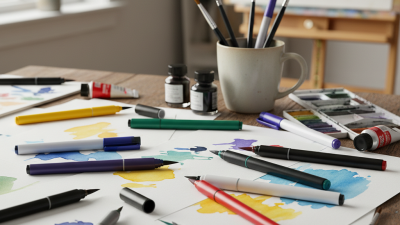
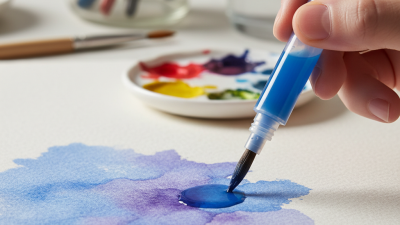
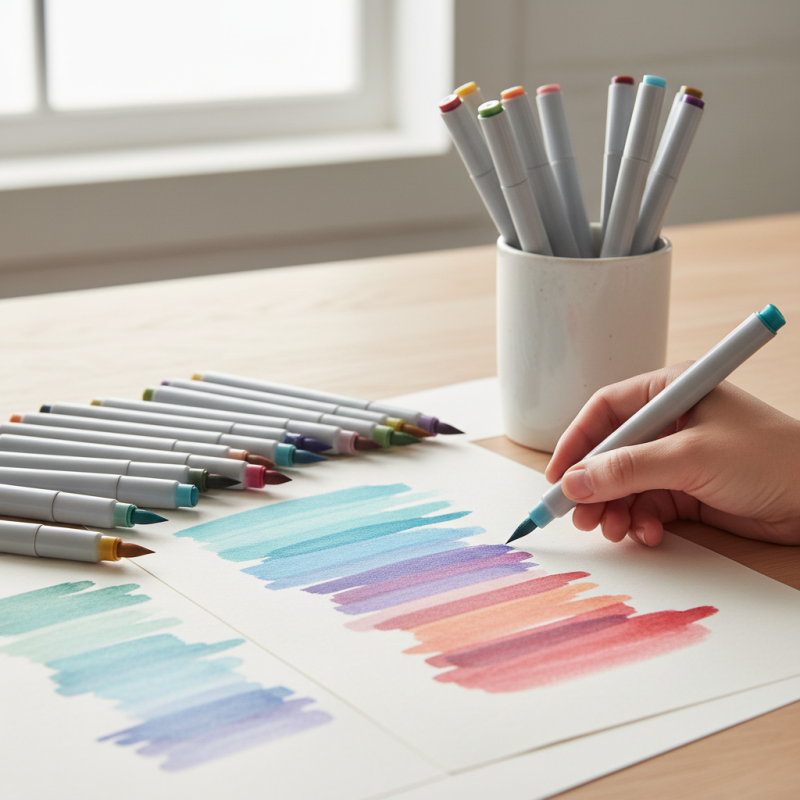
Watercolor markers are great for blending. They offer smooth transitions and can be diluted with water. This feature is perfect for those who enjoy creating soft, ethereal artwork. These markers can be a bit unpredictable. Sometimes the ink flows unevenly, leading to unintended results. Embrace this unpredictability and experiment with different techniques.
Alcohol-based markers, on the other hand, are vibrant and quick-drying. They provide bold and crisp colors, making them ideal for detailed illustrations. However, they can bleed through paper, which can be frustrating. Choose thicker paper to avoid this issue. The learning curve can also be steep. Practice is key to mastering blending and shading.
Tip: Always test your markers on scrap paper. This helps avoid surprises in your final piece.
Another caution is the odor. Alcohol markers have a strong scent. Ventilate your workspace well. Your health is more important than a perfect color palette. Remember, practice makes progress, and embracing imperfections can lead to unique art.
Key Features to Consider When Choosing Brush Markers
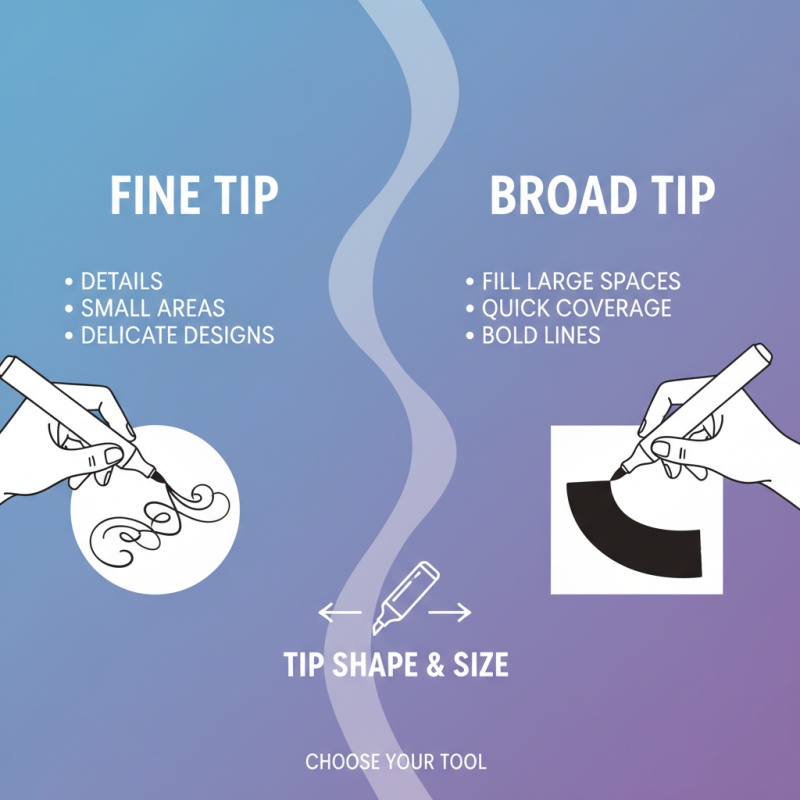
When selecting brush markers for coloring, several key features come into play. First, consider the tip shape. Brush markers typically have flexible tips that allow for different stroke widths. A good marker offers both fine and broad strokes. This versatility enhances the overall coloring experience. The flow of the ink is equally important. Look for markers that provide smooth application without skipping. Uneven ink distribution can lead to frustration.
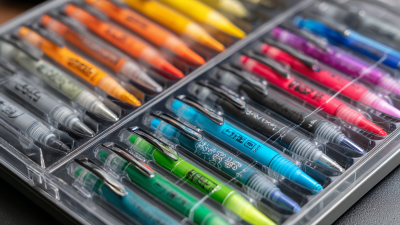
Another crucial aspect is the color range. A diverse palette can inspire creativity and allow for blending. It's disappointing to find out midway that the colors don't mix well. Transparent inks often lift some excitement. However, they may complicate layering and build-up effects. Test how colors interact before committing to a set.
Finally, pay attention to the ink quality. Water-based inks are popular for easy cleanup. However, they may not always deliver the vibrancy you desire. Alcohol-based markers offer bright colors, yet they can bleed through paper. Explore various paper types to see which works best with your chosen markers. Finding the right balance between ink type, color variety, and tip flexibility narrows down your options.
Comparing Ink Types: Water-based vs. Alcohol-based
When choosing brush markers for coloring, understanding ink types is vital. Water-based markers are popular for their ease of use. They blend smoothly and are easy to clean. The colors can be vibrant, especially on paper designed for markers. However, they can bleed through thin paper easily. This can ruin your artwork if you’re not careful.
On the other hand, alcohol-based markers offer rich pigmentation. They dry quickly and are less likely to smudge. These markers layer well for shading effects. But there are some drawbacks. They can have a strong odor, which may not be pleasant for everyone. They also tend to bleed through most papers, requiring thick or specific types of paper. This raises questions about what materials you should use. In the end, the choice between water-based and alcohol-based markers hinges on personal preference and specific project needs. It's worth experimenting with both types to discover what suits your style better.
Tips for Selecting the Right Brush Tip Shape and Size
When choosing brush markers, the tip's shape and size matter significantly. A fine tip allows for detailed work and intricate designs. It’s ideal for small areas or delicate patterns. Broad tips are excellent for filling large spaces. They provide quick coverage, saving time on big projects. However, the thick lines can feel less precise.
Consider your style and the artwork you wish to create. Round tips are versatile; they work well from fine to thick strokes. Flat tips, on the other hand, can produce dramatic effects and wide coverage. If you’re not sure which you prefer, trying a mix of both types can be beneficial. Experimentation helps you find what works best for your hand and creativity.
Don’t overlook the size aspect. Larger markers cover ground quickly but may feel unwieldy for fine detailing. If you’re new, start with a small set of varied sizes. You may find that you prefer one type over another as you practice. Just remember, it’s not always about perfection; sometimes, the flaws in your strokes add character to your work.
Best Brands and Products for Quality Brush Markers
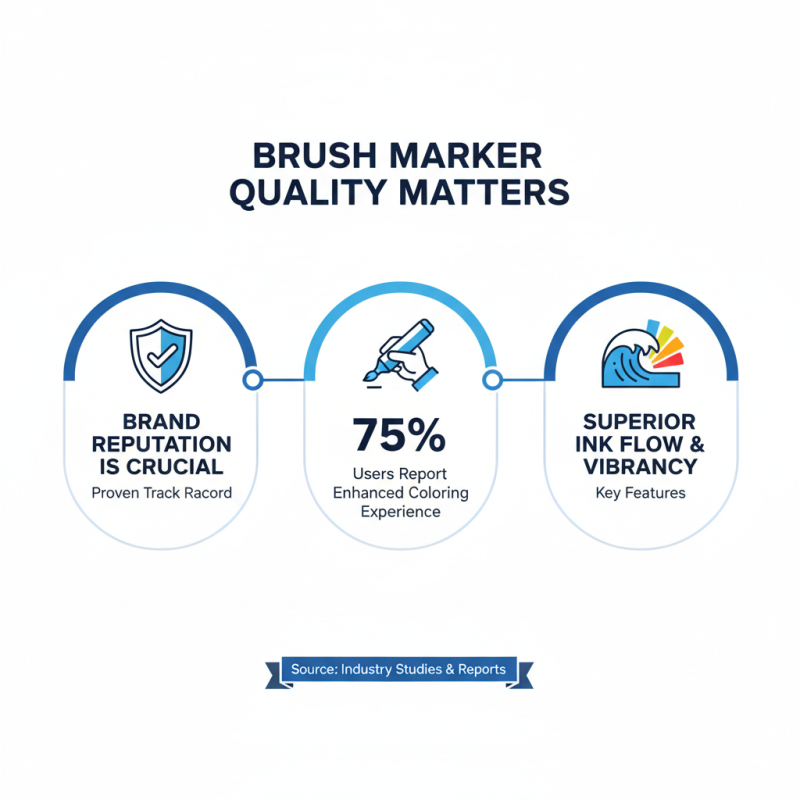
When searching for quality brush markers, understanding brand reputation is crucial. Several industry studies indicate that consumers prefer brands with a proven track record. In fact, reports show that 75% of users believe that quality markers enhance their coloring experience significantly. High-quality brush markers often feature better ink flow and vibrancy.
Popular brands tend to use premium pigments. This results in richer colors and longer-lasting products. A study found that markers with high pigment concentration provide up to 50% more vibrant colors. However, the market is diverse, and not all marketed products meet these standards. Consumers must test markers personally to determine their flow and feel. Sometimes, even the most praised brands may fall short in specific color ranges or tip durability.
Many artists highlight the importance of flexibility in brush tips. Some hard tips can cause frustration while coloring. Others may wear out too quickly. A good marker should balance firmness and flexibility. Surveys also reveal that a significant number of users experience issues with bleeding on different paper types. It's vital for artists to choose markers suited to their preferred paper, as it can influence final results.