What are the Benefits of Using Soft Head Watercolor Pens?
In the vibrant world of art, many artists are turning to the Soft Head Watercolor Pen. This innovative tool combines the fluidity of watercolors with the convenience of a pen. Renowned artist Laura Johnson states, “Soft Head Watercolor Pens allow for effortless blending and precision.”
Artists appreciate the versatility these pens offer. They can create delicate washes or bold strokes with a simple flick of the wrist. The soft tips allow for intricate details, making them perfect for both beginners and seasoned professionals. However, some may find it challenging to master the blending techniques. It can be tricky to achieve the desired effects at first.
The Soft Head Watercolor Pen encourages artists to experiment. This process may lead to unplanned outcomes, which can be frustrating. Yet, these unexpected results often ignite creativity. While some may struggle with control, embracing the learning curve can lead to personal growth. Overall, the benefits of using these pens are compelling, blending artistry with practicality.
Benefits of Soft Head Watercolor Pens for Artists
Soft head watercolor pens offer unique benefits for artists. Their flexible nib allows for varied stroke widths. This makes blending colors easier. As a result, artists can create smooth transitions between shades. The soft tips are gentle on paper, reducing the risk of tearing. This feature is particularly valuable for delicate papers.
Using these pens encourages experimentation. Artists can layer colors without fear. However, the learning curve can be steep. Some may find that the blending is not always perfect. Practice is essential to master control over the application. With patience, artists can achieve stunning effects. The versatility of soft head watercolor pens opens new creative avenues. Adjusting pressure changes the outcome dramatically. It's both exciting and daunting.
What are the Benefits of Using Soft Head Watercolor Pens? - Benefits of Soft Head Watercolor Pens for Artists
| Benefit |
Description |
Suitable For |
| Soft Application |
The soft tip allows for gentle strokes that can create subtle gradients and blend colors easily. |
Beginners and experienced artists |
| Versatility |
Can be used for various techniques such as washes, layering, and detail work. |
Illustrators, hobbyists |
| Portability |
Lightweight and easy to carry, making them ideal for on-the-go creativity. |
Traveling artists |
| Ease of Use |
User-friendly design suitable for all skill levels, reducing barriers to watercolor painting. |
Children and beginners |
| Minimal Mess |
Less cleanup required compared to traditional watercolor pans and brushes. |
Artists working in small spaces |
| Color Saturation |
Soft head allows for rich color deposits, enhancing the vibrancy of the artwork. |
Fine artists |
How Soft Head Watercolor Pens Enhance Color Blending Techniques
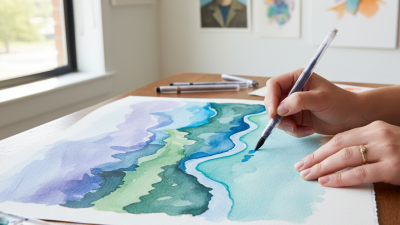
Soft head watercolor pens have revolutionized the way artists approach blending techniques. Their flexible tips allow for smooth transitions between colors. Artists can create stunning gradients with minimal effort. The soft nib is forgiving and enables easy layering. This quality is crucial for achieving a delicate wash effect.
Choosing the right colors can be challenging. Often, the mix may not turn out as expected. It requires practice to understand how they interact. The water saturation also plays a big role. Too much water can lead to muddy results. Artists should experiment with different paper types, as this impacts blending.
Despite these challenges, the potential for creativity is immense. Artists often discover unexpected color combinations. Over time, they learn to embrace imperfections and adjust their techniques. The journey with soft head watercolor pens is about growth and exploration. Embracing mistakes leads to unique artwork, making the process fulfilling.
Durability and Versatility of Soft Head Watercolor Pens
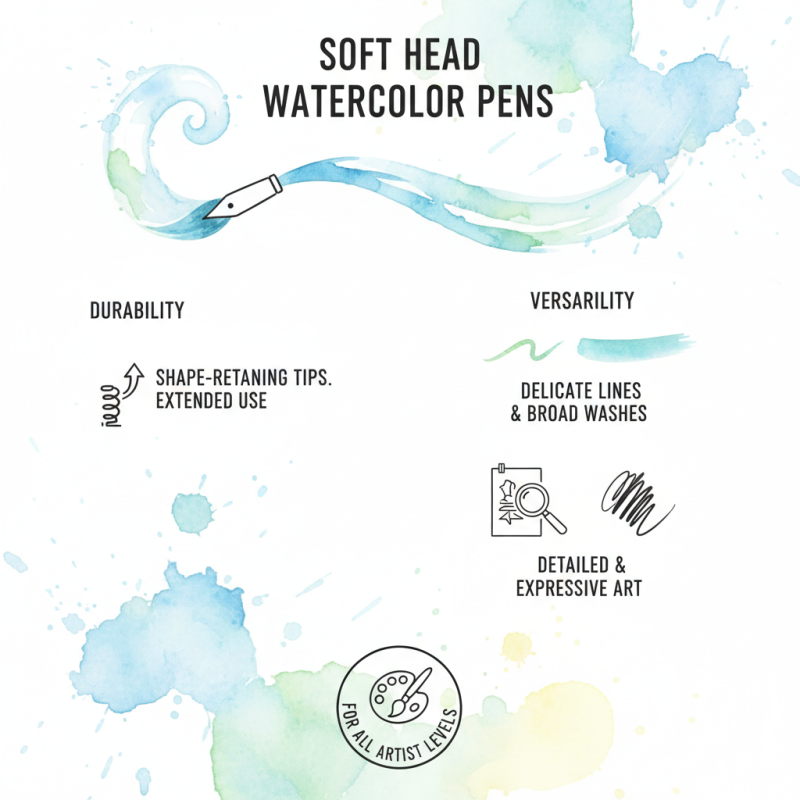
Soft head watercolor pens offer great durability and versatility for artists of all levels. Their flexible tips allow for a range of strokes, from delicate lines to broad washes. This adaptability makes them ideal for both detailed illustrations and loose, expressive artwork. The pens maintain their shape even after extended use, which is a significant advantage over more traditional watercolor options.
When using these pens, consider a few tips for the best results. Always start with lighter colors; it's easier to build up layers. Experiment with blending. Soft head pens excel at creating gradients, so don’t hesitate to mix colors on paper. Lastly, keep a damp cloth handy for quick clean-ups. It helps in maintaining an organized workspace and prevents unwanted color mixing.
The versatility of soft head watercolor pens extends beyond mere application. They work well on various surfaces, from textured paper to canvas. If you're struggling with consistency, take a moment to practice different strokes. Every artist has off days; reflect on what works and what doesn’t. Embracing imperfections can lead to unexpected beauty in your artwork.
Comparing Soft Head Watercolor Pens to Traditional Watercolor Tools
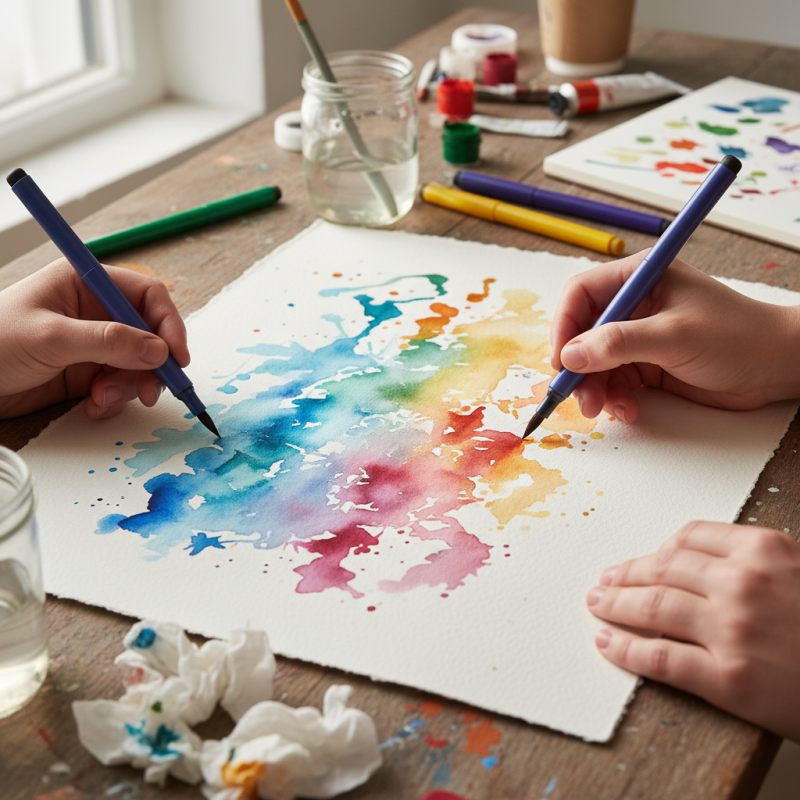
Soft head watercolor pens offer a unique experience compared to traditional watercolor tools. They combine the fluidity of watercolors with the convenience of a pen. This makes them easy to handle, even for beginners. The soft tips glide smoothly over paper, allowing for gentle strokes. You can achieve varying levels of intensity by adjusting pressure. This precision enhances your control while adding depth to your art.
Using soft head watercolor pens can lead to less mess. Traditional watercolor methods often involve complicated setups. You need brushes, palettes, and water containers. In contrast, these pens simplify the process. You can draw and blend colors directly. However, achieving the same expansive textures might be challenging. It’s essential to experiment with techniques to find your preferred style.
Tips: To get the most out of your soft head watercolor pens, practice layering colors. Start light and go darker gradually. Experiment with blending colors while they are still wet for smoother transitions. Also, explore different types of paper to see how it affects your artwork. Sometimes, the imperfections in your strokes add character. Reflection on your artistic journey is key to growth and creativity.
Best Practices for Using Soft Head Watercolor Pens Effectively
Using soft head watercolor pens can be both enjoyable and challenging. These tools offer unique advantages for artists. However, mastering them takes practice and a few best practices.
Start by selecting the right paper. A textured surface can absorb the ink well, allowing for smoother blending. Try different weights to find what suits you best. Letting your paper dry between layers is essential. It prevents muddy colors and retains vibrancy. Remember, less is often more. Adding too much water can lead to unwanted bleeding.
Experiment with pressure while applying color. Light strokes yield softer hues, while firm pressure produces bold lines. Balance is key here. Sometimes, you may find accidental splatters or uneven blends. Embrace these moments; they can lead to unexpected creative outcomes. Lastly, take time to reflect on your work. Analyze areas where you struggled. Learning from mistakes helps cultivate your style.
Benefits of Using Soft Head Watercolor Pens
The chart above illustrates the various benefits of using soft head watercolor pens, showcasing their scores based on attributes like ease of blending and vibrancy of colors. This visual representation helps understand why these tools are popular among artists.