Leave Your Message
Choosing Chinese Calligraphy Pens in 2026 requires more than comparing prices or following attractive packaging. Buyers should examine the brush’s material, tip shape, flexibility, absorbency, and balance. A well-made pen should respond clearly when pressure changes. The tip should form a clean point, hold ink evenly, and recover after each stroke. Beginners often prefer a moderately flexible brush because it offers control without feeling stiff. Experienced writers may choose softer wool brushes for expressive seal script or semi-cursive work. Test the tip. If possible, wet the brush and observe whether the hairs gather neatly without splitting.
Reliable purchasing also depends on the seller’s information. Look for clear details about hair composition, handle length, brush size, manufacturing origin, and care instructions. Customer photographs can reveal uneven tips, loose hairs, or misleading size claims. However, reviews are not perfect evidence. A brush praised by one artist may feel unsuitable to another because writing pressure and paper texture differ. There is no perfect brush. Buyers should match the tool to their script style, practice level, budget, and intended frequency of use. A durable handle, secure binding, and consistent hair quality usually matter more than decorative appearance. Check return policies and product samples when available. Small differences become obvious after thirty minutes of writing. Not always. Careful selection remains personal, but practical testing and transparent specifications can reduce disappointment. This guide explains how to compare Chinese Calligraphy Pens with greater confidence, while recognizing that even expert recommendations deserve personal verification.
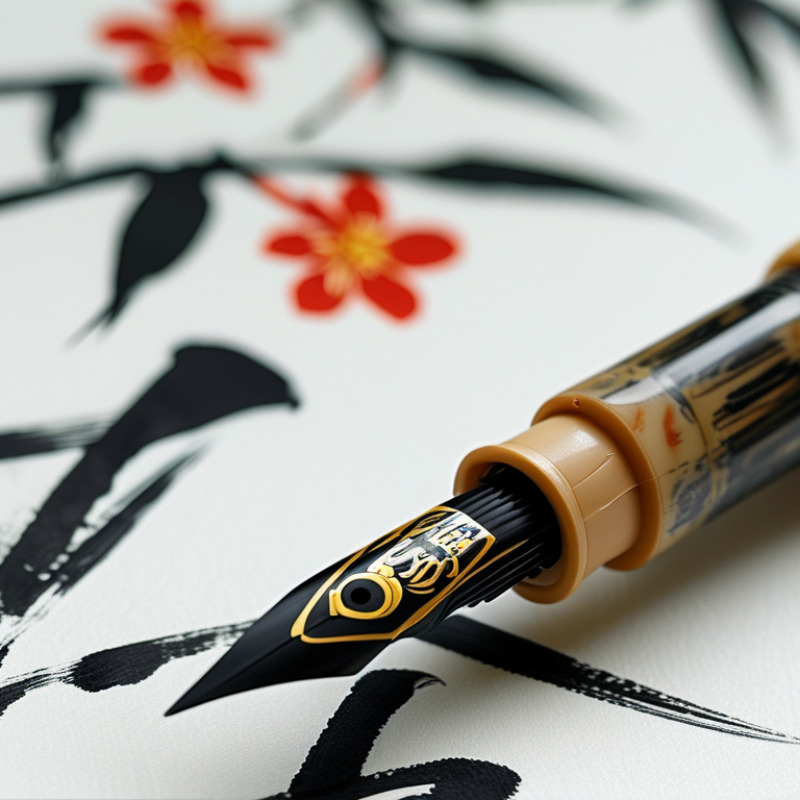
Chinese calligraphy pens are usually flexible brushes designed for controlled ink movement. Traditional versions have a hollow handle, a tapered hair tip, and an absorbent core. The tip may combine animal hair, plant fibers, or synthetic strands. Each material changes the writing experience. Softer hair creates broad, lively strokes. Firmer hair responds faster and keeps sharper edges. A mixed tip often balances both qualities. I have found that the brush shape matters as much as the hair. A short, round tip feels stable for beginners. A longer tip stores more ink but demands steadier pressure. Too much ink can blur small characters.
These pens differ from ordinary writing pens because pressure controls line width. A light touch creates a thin beginning. Pressing down opens the tip and produces a heavy stroke. Turning the handle can change the stroke direction. This movement is difficult to reproduce with a rigid ballpoint or fountain pen. Calligraphy brushes also need preparation and care. The new tip should be softened gently, not forced apart. After use, rinse it with clean water and let it dry naturally. I once chose an extremely soft brush for large characters, and it felt impressive at first. Later, its slow response exposed my weak control. That mistake still influences how I compare pens. Buyers should test tip recovery, ink capacity, handle comfort, and intended script size before choosing.
| Pen Type | What It Is | Typical Hair or Tip Material | Ink Capacity | Line Variation | Best For | Skill Level | Buyer Considerations |
|---|---|---|---|---|---|---|---|
| Soft Brush | A flexible Chinese writing brush with a highly responsive tip that bends easily under pressure. | Usually soft animal hair or other fine, flexible natural fibers. | Medium to high when the brush has a full, well-shaped belly. | Very high | Expressive regular script, running script, cursive script, and large character work. | Intermediate to advanced | Produces rich variation but requires controlled pressure and careful lifting of the brush. |
| Hard Brush | A resilient brush with a firmer tip that keeps its shape during directional changes. | Typically stiff natural hair or firm synthetic fibers. | Low to medium, depending on the size and hair density. | Medium | Small regular script, detailed characters, and practice requiring precise strokes. | Beginner to advanced | Easier to control than a very soft brush, although it may hold less ink. |
| Mixed-Hair Brush | A brush combining flexible and resilient fibers to balance ink retention with shape control. | A blend of soft and hard natural or synthetic fibers. | Medium to high | High | General-purpose practice, regular script, running script, and daily study. | Beginner to advanced | A practical choice for buyers who want one brush with balanced flexibility and stability. |
| Small Brush | A narrow writing brush designed for small characters and fine details. | Fine, resilient hair or compact mixed fibers. | Low to medium | Medium | Small regular script, seals, inscriptions, and detailed decorative work. | Intermediate to advanced | Requires consistent ink control; a sharp tip is more important than maximum ink capacity. |
| Medium Brush | A versatile brush size suitable for common practice formats and moderate character dimensions. | Soft, hard, or mixed fibers depending on the intended writing style. | Medium | Medium to high | Daily practice, couplets, copybooks, and standard-sized Chinese characters. | Beginner to advanced | Often the most useful first purchase because it supports several scripts and paper sizes. |
| Large Brush | A broad brush with a larger writing surface and greater ink-holding capacity. | Flexible or mixed fibers with a fuller brush belly. | High | High | Large characters, bold compositions, banners, and expressive brushwork. | Intermediate to advanced | Needs sufficient workspace, larger paper, and stronger control of pressure and moisture. |
| Detail Brush | A narrow, sharply pointed brush used for controlled marks and delicate finishing work. | Fine resilient fibers, often shaped to maintain a pointed tip. | Low | Low to medium | Fine lines, small characters, artwork details, and corrections. | Intermediate to advanced | Check tip sharpness, spring, and symmetry; it is not intended for broad strokes. |
| Beginner Practice Brush | A moderately priced, easy-to-control brush designed for learning basic brush movements. | Durable synthetic or balanced mixed fibers. | Medium | Medium | Learning vertical pressure, horizontal pressure, turning, lifting, and stopping. | Beginner | Choose a stable tip and moderate flexibility rather than the softest possible brush. |
| Traditional Natural-Hair Brush | A brush made with natural fibers selected for their absorbency, texture, and response. | Natural animal hair, with properties varying by fiber type and preparation. | Medium to high | High | Practitioners seeking traditional tactile feedback and expressive ink movement. | Intermediate to advanced | Performance can vary between individual brushes; proper washing and drying are essential. |
| Synthetic-Fiber Brush | A modern brush manufactured with uniform man-made fibers for consistent performance. | Nylon, polyester, or other synthetic fibers. | Low to medium | Medium | Beginners, classrooms, travel, frequent practice, and buyers seeking consistent sizing. | Beginner to advanced | Usually dries faster and is easier to standardize, but may feel less absorbent than natural hair. |
| Goat-Hair Style Brush | A soft, absorbent brush style known for smooth ink flow and broad, fluid strokes. | Very soft natural fibers or synthetic fibers designed to imitate them. | High | Very high | Large regular script, running script, and soft, flowing brush expressions. | Intermediate to advanced | Can feel difficult for beginners because the tip bends readily under pressure. |
| Wolf-Hair Style Brush | A resilient brush style valued for a responsive tip and clear stroke definition. | Firm natural fibers or synthetic fibers with similar spring. | Medium | Medium to high | Regular script, small-to-medium characters, and strokes requiring clean edges. | Beginner to advanced | Suitable when precision and spring are more important than maximum softness. |
| Brush with a Pointed Tip | A brush whose hairs converge into a distinct tip for initiating and finishing strokes. | Natural, synthetic, or mixed fibers shaped and secured to maintain point alignment. | Varies by size and hair density | High | Regular script, fine turns, hooks, dots, and controlled stroke endings. | All levels | Inspect whether the tip returns to center after wetting and gentle pressure. |
| Brush with a Rounded Belly | A fuller brush shape that stores more ink behind the tip and supports continuous strokes. | Dense natural, synthetic, or mixed fibers. | High | High | Long strokes, large characters, fluid scripts, and efficient writing sessions. | Intermediate to advanced | A fuller belly improves ink supply but may feel less precise in very small writing. |
| Travel or Compact Brush | A shorter or collapsible brush designed for portability and convenient storage. | Usually synthetic or mixed fibers with a compact handle. | Low to medium | Medium | Travel practice, workshops, outdoor writing, and small workspaces. | Beginner to advanced | Prioritize a secure cap, reliable tip protection, and a handle that remains comfortable in use. |